
Topical Studies
-
Tracing God’s Sovereign Plan: The Bible’s Grand Redemptive History
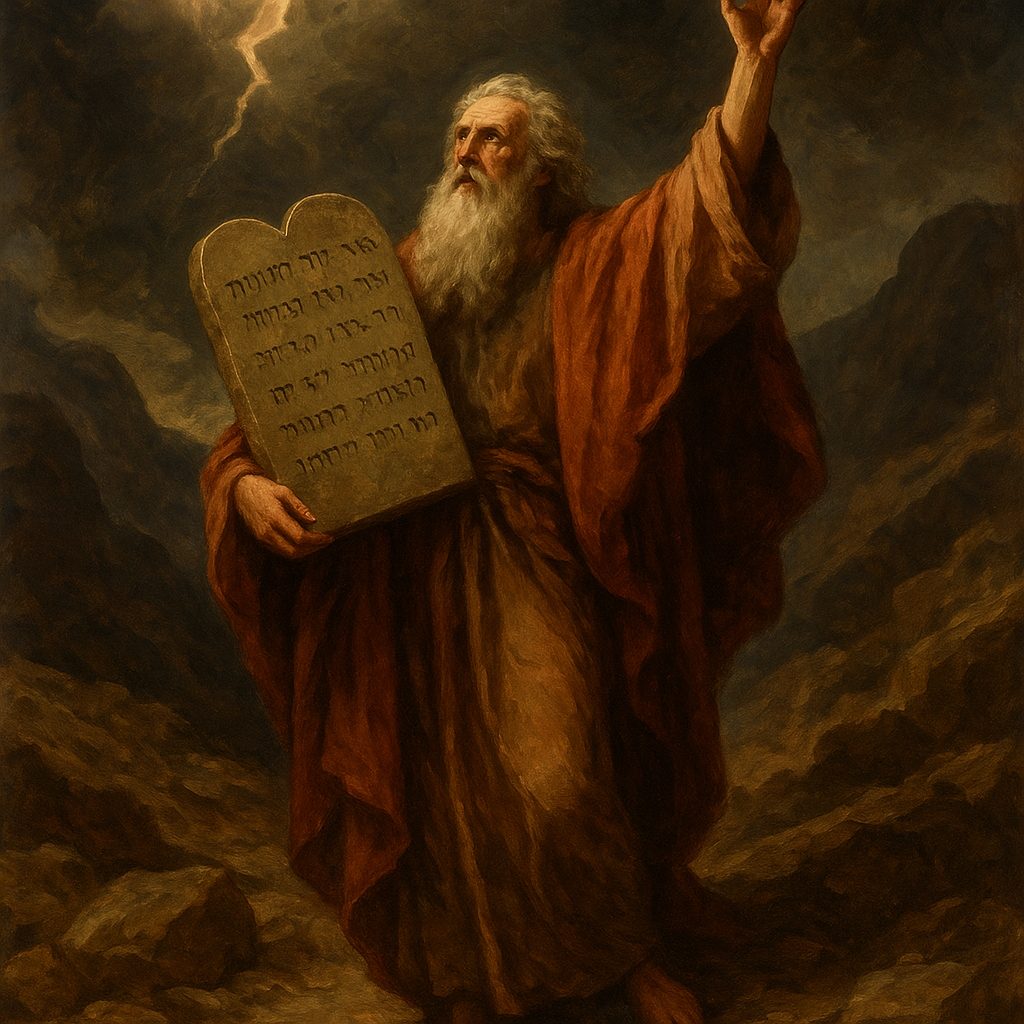
The Bible presents history not as a mere sequence of human events, but as the unfolding of God’s sovereign plan to redeem a fallen world. From the creation of all things to the consummation of all things in Christ, Scripture reveals a divine narrative that is both historical and theological.
-
The Formation and Transmission of the Biblical Canon: A Historical Overview
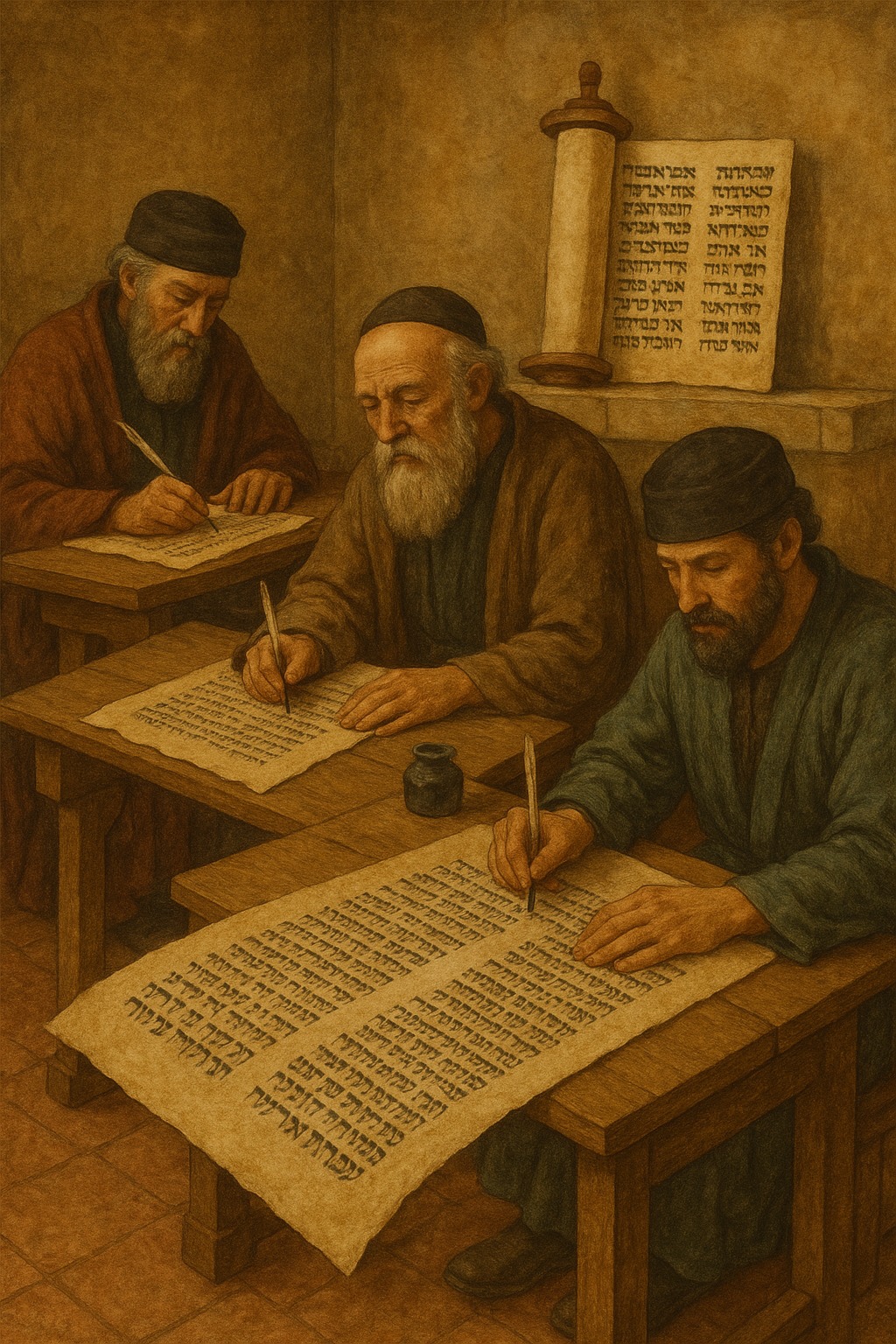
The formation and transmission of the biblical canon are among the most significant developments in the history of the Judeo-Christian tradition. The Bible did not emerge in a single moment, nor was it assembled by a solitary council acting apart from historical processes. Rather, the canon developed over centuries of prophetic revelation, community recognition, textual…
-
The Divided Kingdom and the Prophets
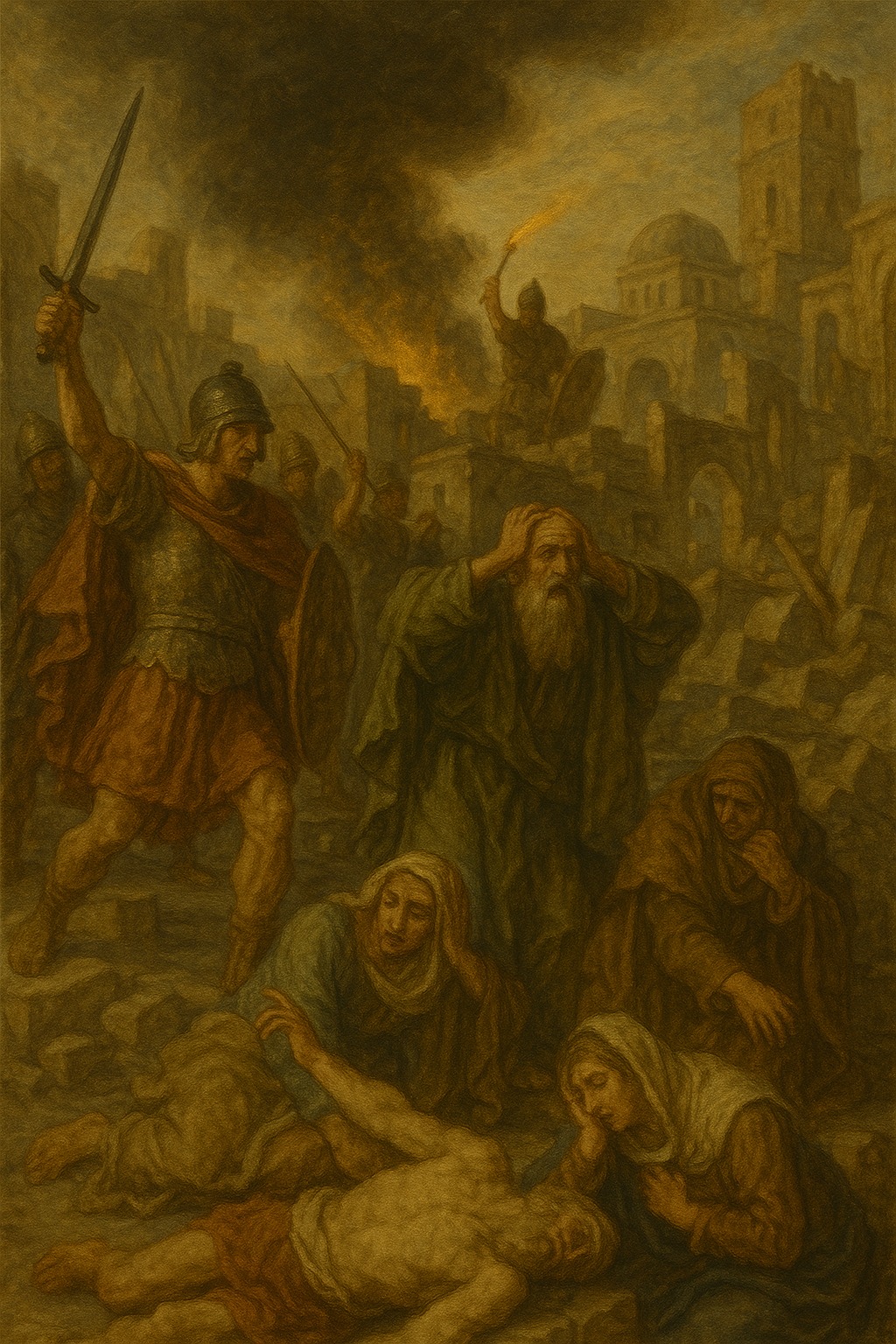
The united monarchy of Israel fractured after Solomon’s reign, resulting in the northern kingdom of Israel and the southern kingdom of Judah. This division led to idolatry, prophetic warnings, exile, and spiritual decline. Despite unfaithfulness, God promised restoration through prophets, ultimately fulfilled in Christ, the hope for eternal unity and covenant.
-
The Rise of the Monarchy in Israel
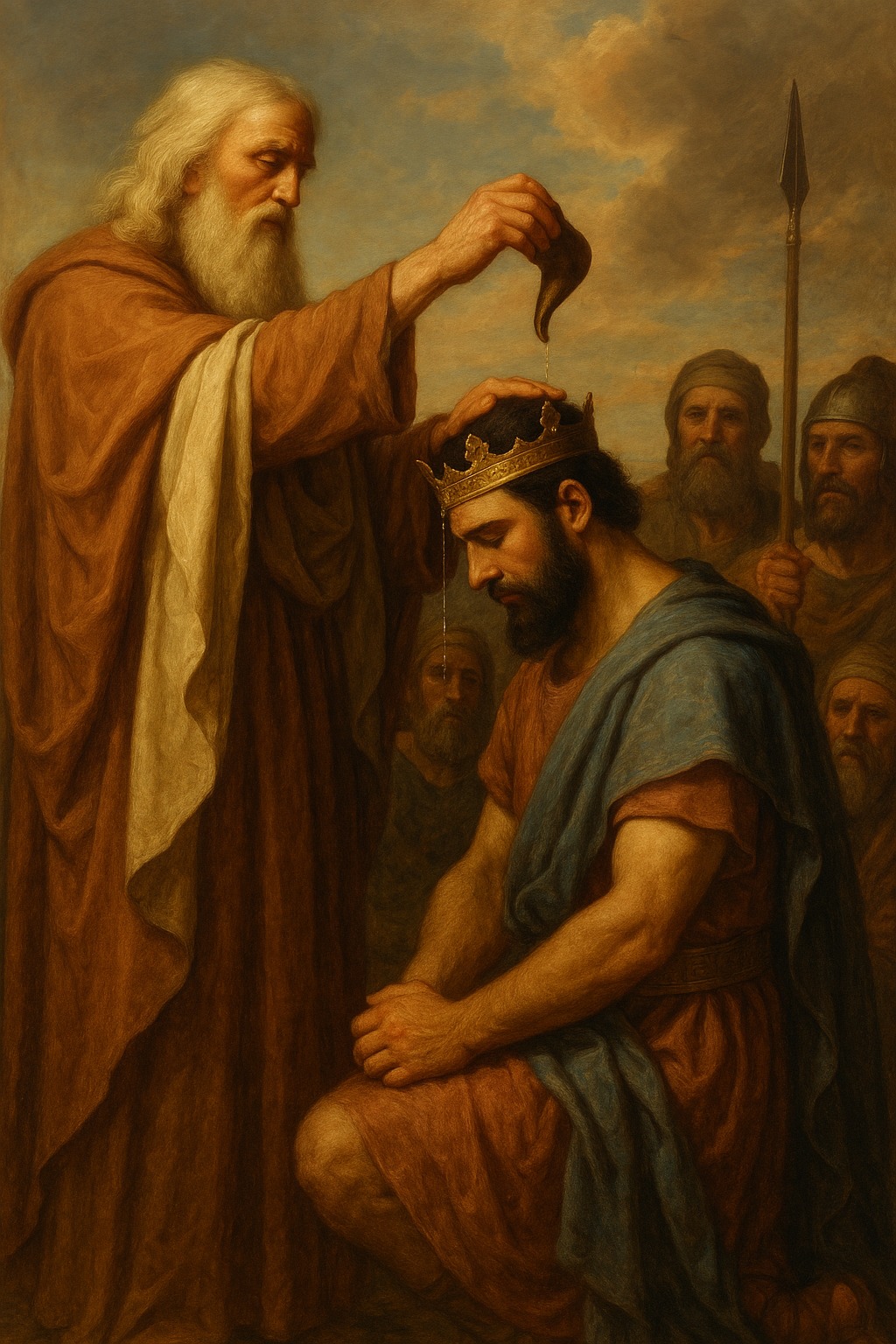
The rise of the monarchy in Israel marked a pivotal moment in biblical history, transitioning from judges to kings, beginning with Saul, followed by David and Solomon. This evolution reflects Israel’s spiritual struggles and God’s enduring covenant. Ultimately, it highlights the importance of obedience and the foreshadowing of Christ, Israel’s true King.
-
Conquest and Settlement in the Promised Land
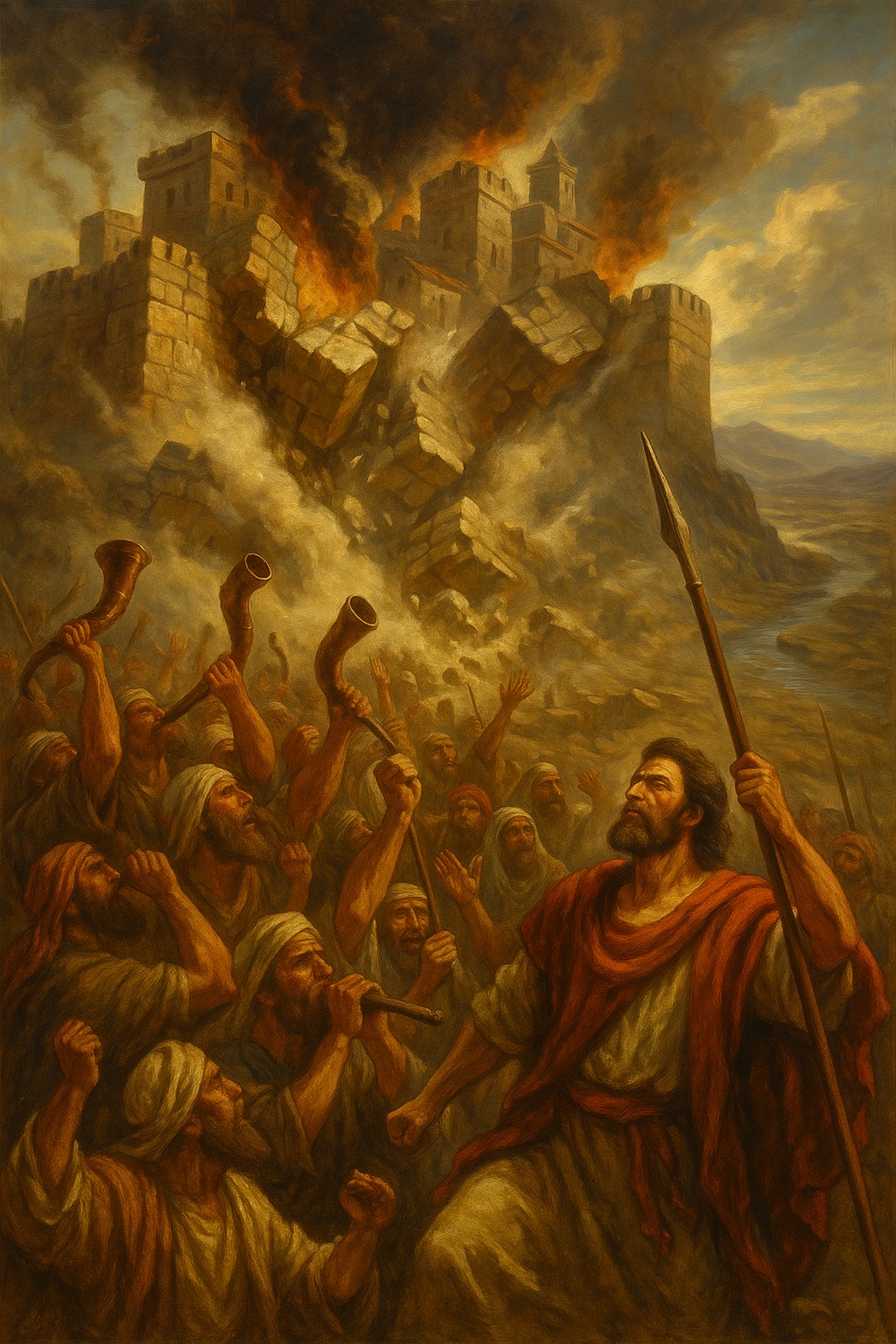
The conquest of Canaan under Joshua fulfilled God’s promises to the patriarchs, integrating military triumphs with spiritual obedience. Key events included the miraculous Jordan crossing, the fall of Jericho, and subsequent victories, alongside themes of faithfulness and judgment. The struggles in Judges underscore the need for obedience, foreshadowing Christ’s ultimate salvation.
-
Israel in Egypt and the Exodus
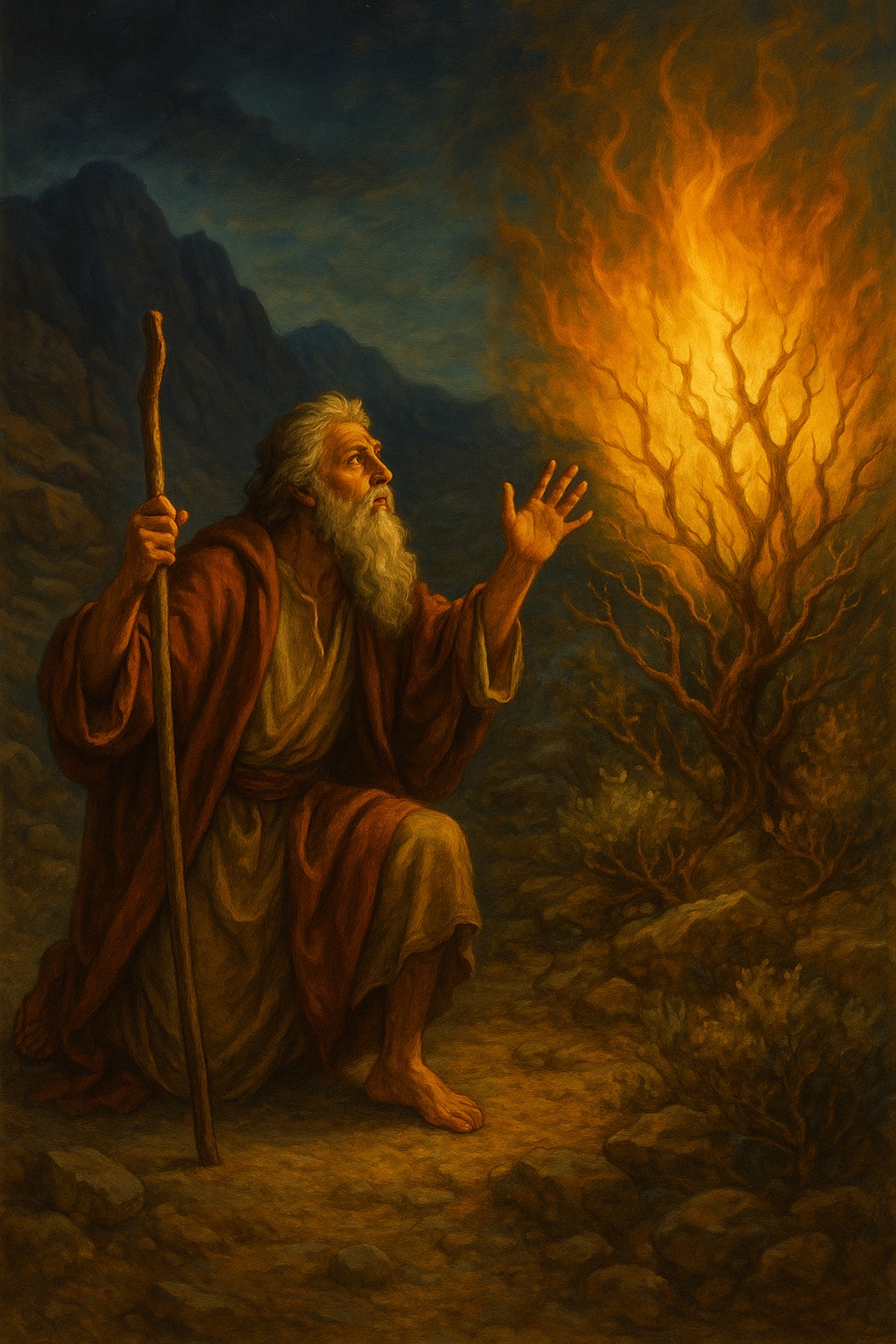
The Exodus is one of the most defining events in biblical history. It marks God’s deliverance of His people from slavery in Egypt and His covenantal formation of Israel as a nation. The narrative stretches from the closing chapters of Genesis through Exodus, and its theological impact reverberates throughout the Old and New Testaments.
-
Abraham, the Patriarchs, and Covenant Foundations
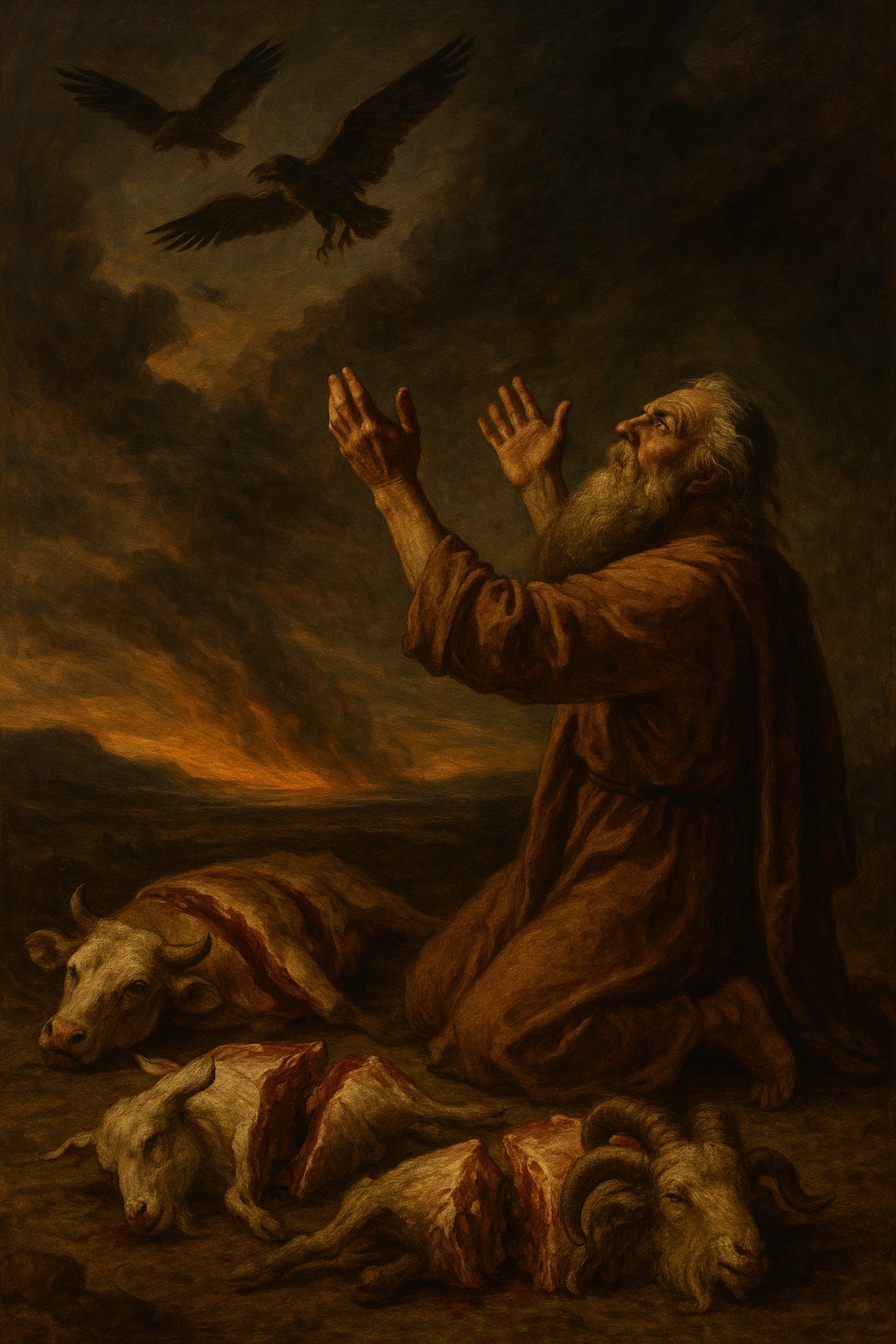
The story of Abraham and the patriarchs (Isaac, Jacob, and Joseph) forms the backbone of biblical history. It is in their lives that God reveals His covenant purposes, establishes the line of promise, and sets the stage for the coming Messiah. These narratives, spanning Genesis 12–50, are not merely family stories but foundational accounts of…
-
Gaza in History and Prophecy
The region of Gaza has long stood at the crossroads of history. Located on the Mediterranean coast between Egypt and Israel, Gaza was part of the Philistine pentapolis, as mentioned in the Old Testament. Its territory frequently clashed with Israel’s inheritance, and its cities became symbols of opposition to God’s people. The prophets pronounced judgments…
-
Mount Sinai — Saudi Arabia or Sinai Peninsula?
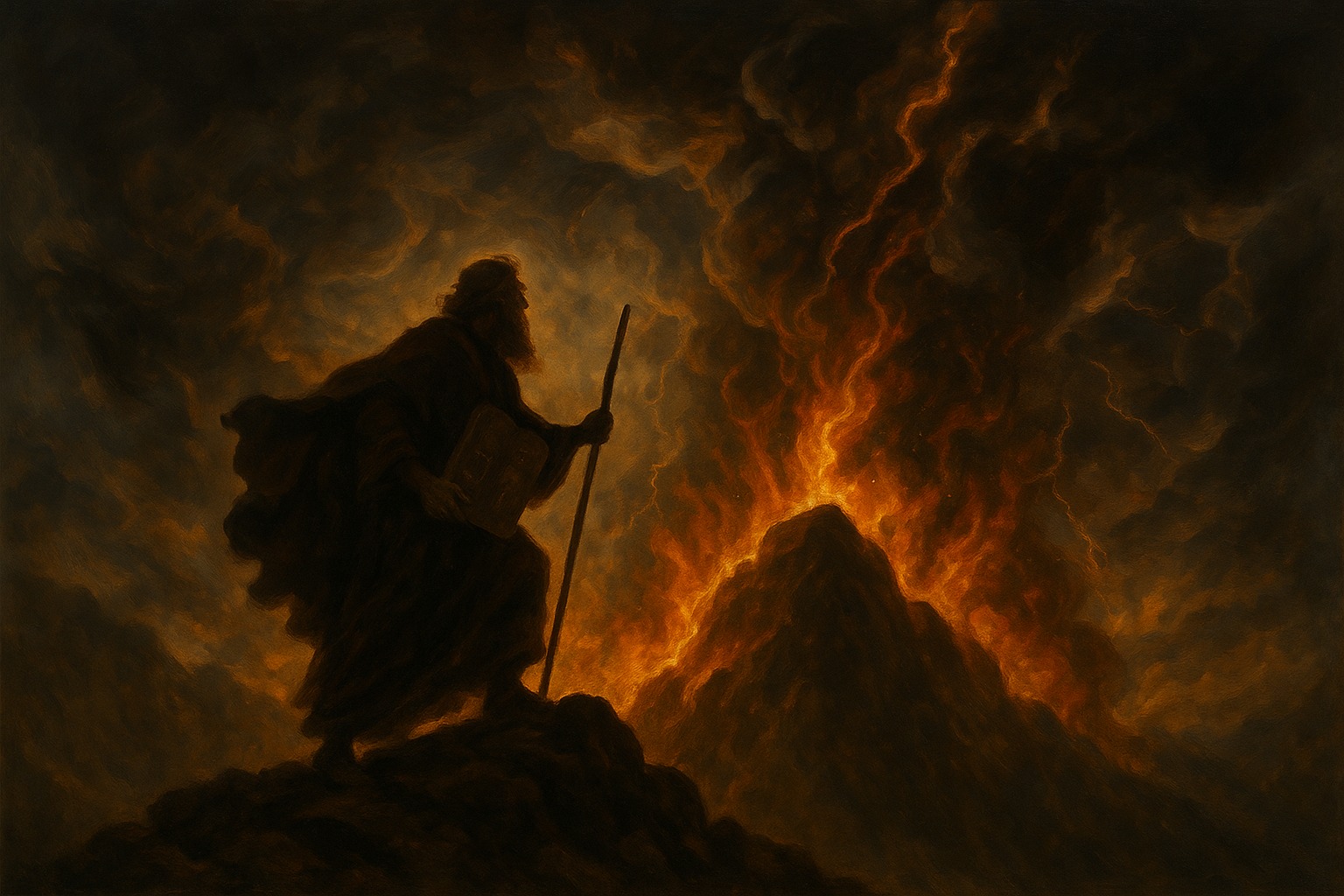
Few locations in the Bible spark as much debate as the true site of Mount Sinai, where God gave the Ten Commandments to Moses and Israel. Traditionally identified with Jebel Musa in Egypt’s Sinai Peninsula, some researchers argue instead for Jebel al-Lawz in northwest Saudi Arabia. The question is not merely geographical—it touches history, archaeology,…
-
Assyria in Prophecy: Biblical References and Modern Connections
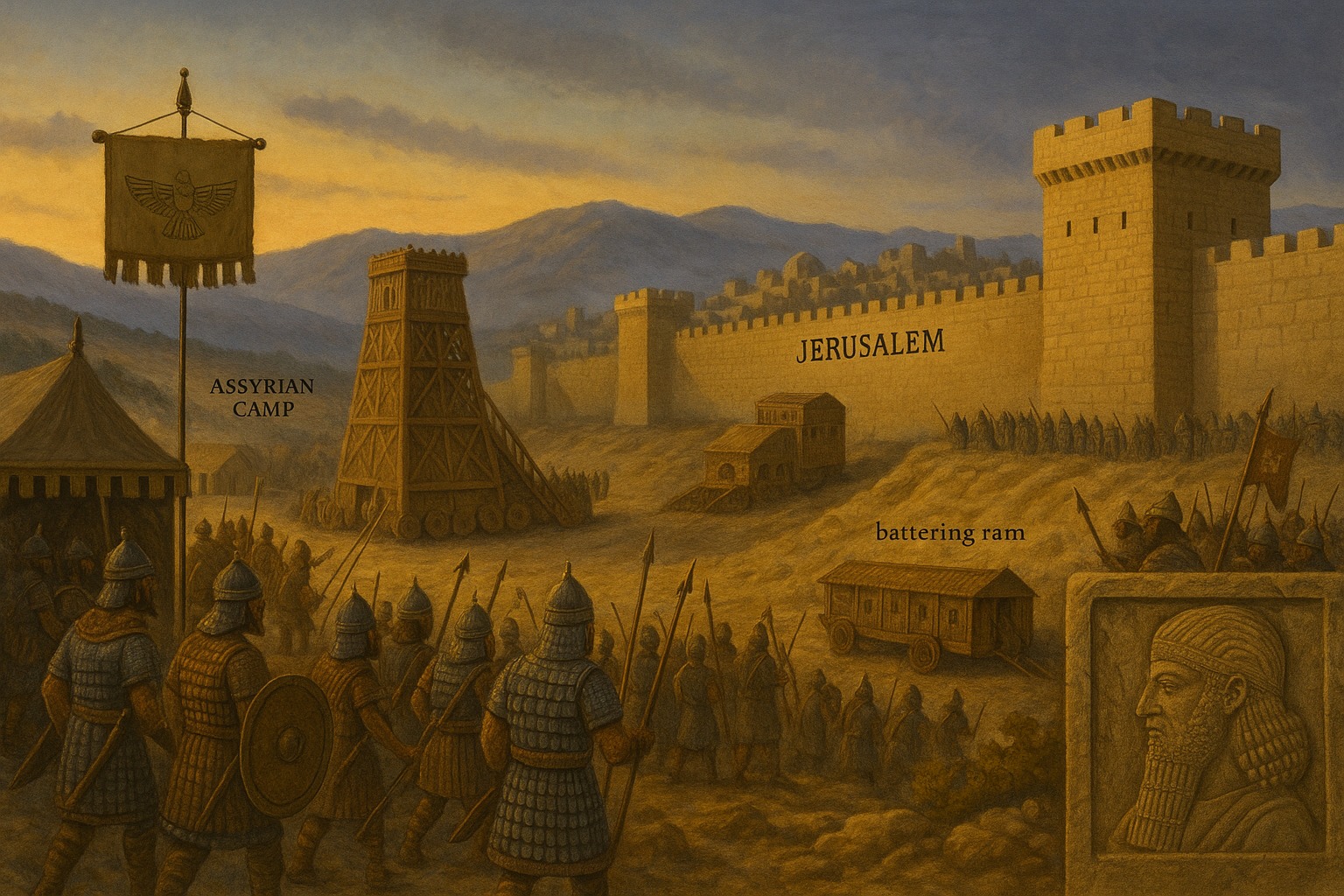
Assyria was one of the most powerful empires of the ancient Near East, dominating from the ninth to the seventh centuries BC. The Bible records Assyria’s rise, its role in disciplining Israel, its arrogance, and its eventual downfall. Beyond history, the prophets also use Assyria symbolically and eschatologically, connecting its story to God’s broader purposes…


