

Biblical and Historical Evidences for the Reliability of Scripture
Introduction
The reliability of the Holy Scriptures is a foundational truth of the Christian faith. The Bible is not merely a collection of ancient writings but the divinely inspired Word of God, preserved through providence and attested by various forms of evidence. In a world where skepticism about the Bible’s authenticity persists, serious Bible students need to understand the manifold evidences that affirm Scripture’s trustworthiness.
This study will explore the biblical and historical evidences that underpin the reliability of Scripture. We will examine archaeological findings that corroborate biblical narratives, the remarkable preservation of the biblical text through centuries, and the internal consistency that points to divine inspiration. Our goal is to deepen faith and equip believers with a robust defense of the sacred Scriptures.
As the Psalmist declares, “The entirety of thy word is truth” (Psalm 119:160), so we approach this study with reverence and confidence that the Bible is indeed the sure foundation for faith and practice.
Archaeological Confirmations of Biblical History
Archaeology has provided substantial confirmation of the historical narratives recorded in the Bible. Excavations in the ancient Near East have uncovered cities, inscriptions, and artifacts that align with biblical accounts, affirming the Bible’s historical reliability. For example, the discovery of the Dead Sea Scrolls in the mid-20th century revealed manuscripts of the Old Testament dating back over two millennia, closely matching the later Masoretic Text used in the King James Version of the Bible.
Moreover, the ruins of cities such as Jericho and Hazor, mentioned in the books of Joshua and Judges, have been unearthed with evidence of destruction layers consistent with biblical chronology. The Assyrian and Babylonian records also corroborate the biblical accounts of Israel’s captivity and the fall of Jerusalem (2 Kings 18:13–19:37; Daniel 1:1).
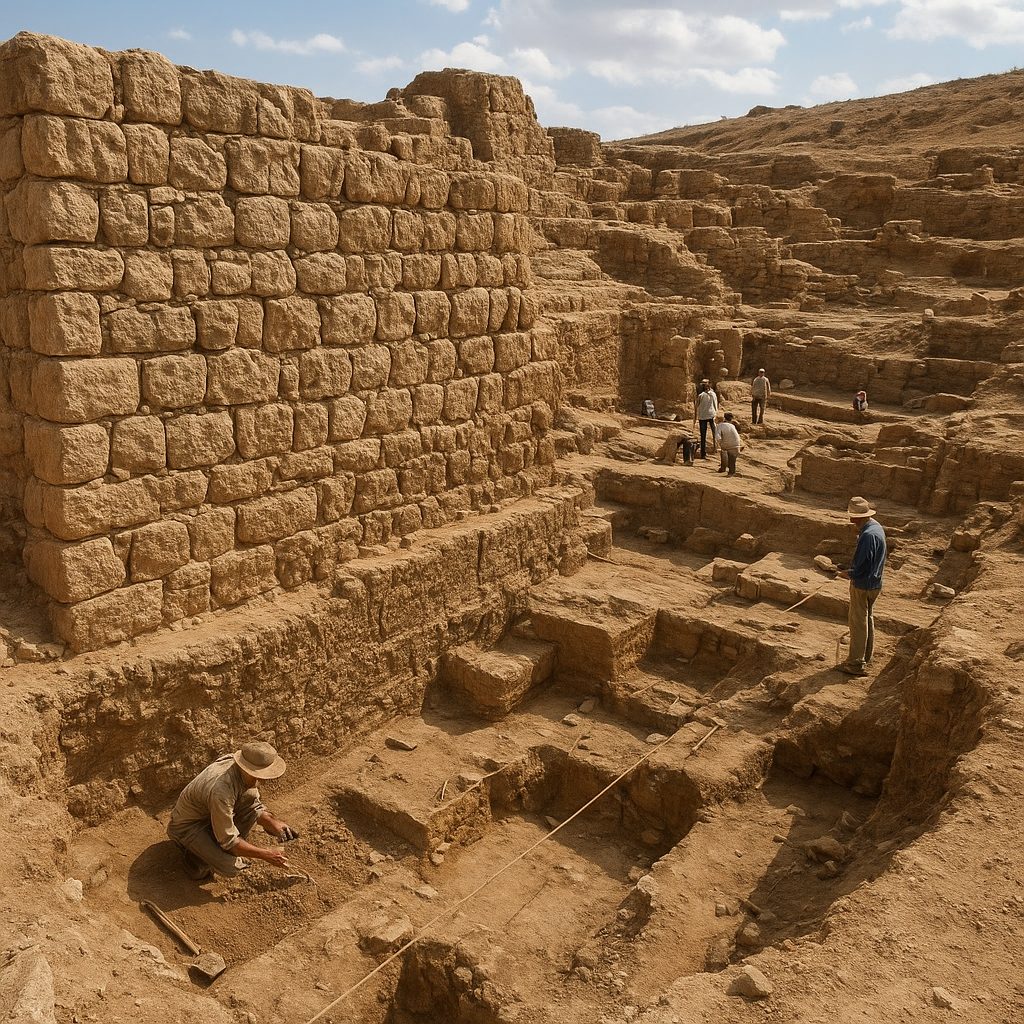
These archaeological findings do not merely support the Bible’s historical claims but also demonstrate the accuracy of its chronology and geography. Such evidence strengthens the conviction that Scripture is grounded in real events and divine revelation rather than myth or legend.
Textual Preservation and Manuscript Evidence
One of the most compelling pieces of evidence for Scripture’s reliability is the remarkable preservation of its text over the centuries. The Old Testament was transmitted primarily through the Masoretic Text tradition. At the same time, the New Testament is supported by thousands of Greek manuscripts, some dating as early as the second century AD.
The sheer number of manuscripts—over 5,800 Greek New Testament manuscripts alone, far surpasses any other ancient document, allowing scholars to reconstruct the original text with extraordinary precision. The consistency among these manuscripts affirms that the Bible we read today faithfully represents the inspired original writings.
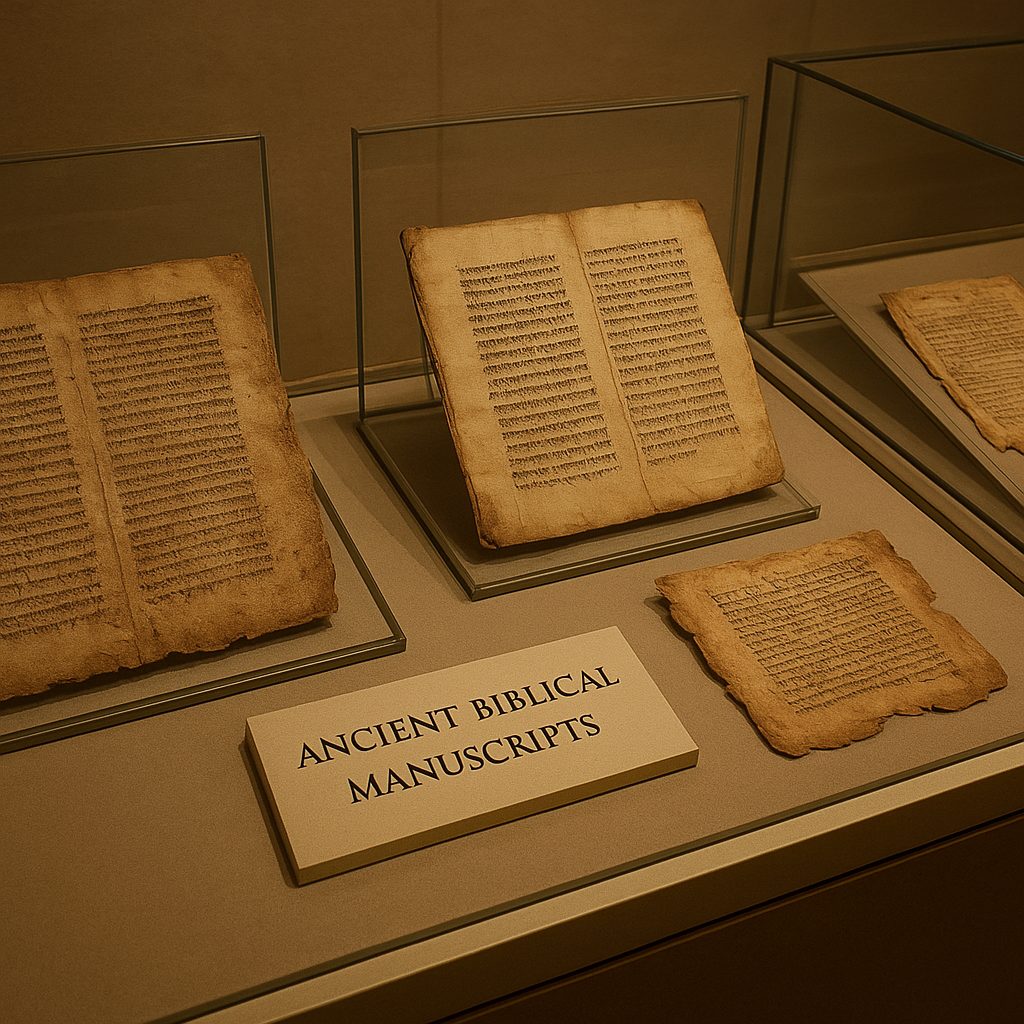
The Apostle Paul exhorts Timothy to “continue in the things which thou hast learned and hast been assured of, knowing of whom thou hast learned them” (2 Timothy 3:14), emphasizing the importance of faithful transmission. The providential preservation of Scripture is a testimony to God’s care for His Word, as promised in Psalm 12:6–7.
Internal Consistency and Prophetic Fulfillment
Despite being written over approximately 1,500 years by more than 40 authors from diverse backgrounds, the Bible exhibits remarkable internal consistency. The unity of its message concerning God’s plan of redemption, the nature of man, and the coming Messiah is unparalleled among ancient writings.
Furthermore, the fulfillment of prophecy serves as robust evidence of divine inspiration. The Old Testament contains numerous prophecies that were fulfilled in the New Testament, particularly concerning the life, death, and resurrection of Jesus Christ (Isaiah 53; Psalm 22). These fulfilled prophecies could not have been known or orchestrated solely by human authors.

The Apostle Peter affirms this when he writes that “no prophecy of the scripture is of any private interpretation. For prophecy came not in old time by the will of man: but holy men of God spake as they were moved by the Holy Ghost” (2 Peter 1:20–21). This divine origin is evident in the harmony and fulfillment of Scripture’s message.
Eyewitness Testimony and Historical Reliability
The New Testament Gospels and Epistles are grounded in eyewitness testimony, which lends credibility to their historical claims. The writers often affirm their personal knowledge or the testimony of those who witnessed the events of Christ’s ministry, death, and resurrection (John 19:35; 1 John 1:1–3).
Early Christian writers and historians, such as Josephus and Tacitus, also corroborate key events recorded in the New Testament, including the existence of Jesus, His crucifixion under Pontius Pilate, and the growth of the early church. These external attestations support the Bible’s historical claims beyond the Christian community.

The Apostle Paul’s epistles, written within decades of Christ’s resurrection, provide firsthand insight into the early church’s beliefs and practices. His letters were circulated among churches and carefully preserved, underscoring the importance of accurate transmission of apostolic teaching (Galatians 1:11–12).
The Transformative Power of Scripture
Beyond external evidence, the Bible’s reliability is also demonstrated by its transformative power in the lives of individuals and communities. The Word of God is described as “quick, and powerful, and sharper than any twoedged sword” (Hebrews 4:12), able to convict, convert, and sanctify sinners.
Throughout history, the Scriptures have been the foundation for spiritual revival, moral reform, and enduring hope. This internal witness of the Holy Spirit confirms the Bible’s divine origin and trustworthiness, as it continues to speak with authority and life to all generations.
As Jesus Himself declared, “Thy word is truth” (John 17:17), and it is this truth that sets men free and leads to eternal life.
Conclusion
The reliability of Scripture is not a matter of blind faith but is supported by a wealth of biblical and historical evidence. Archaeological discoveries affirm the Bible’s historical narratives, while the preservation of manuscripts ensures the integrity of its text. The internal consistency and fulfilled prophecies point unmistakably to divine inspiration.
Eyewitness testimony and corroborating historical records further validate the New Testament’s claims, and the ongoing transformative power of the Word confirms its living authority. Together, these pieces of evidence provide a firm foundation for trusting the Bible as the infallible and inerrant Word of God.
May this study encourage believers to cherish the Scriptures as the sure guide for faith and life, and may it equip them to defend the truth of God’s holy Word with confidence and grace.
Podcast Discussion For Further Study