
Topical Studies
-
The Word Confirmed: Covenant promises and the faithfulness of God

The nature of God’s promises serves as the bedrock of faith throughout the sacred Scriptures, revealing His unchanging character and steadfast love toward humanity. In Hebrews 10:23, believers are exhorted to hold fast the profession of their faith without wavering, for He is faithful who promised, underscoring the assurance found in divine commitment.
-
Prophetic Certainty: Messianic prophecy and fulfillment patterns
Posted :
in : Theologyby :
Tags :Bible Study, covenant, Discipleship, Exegesis, Exodus, Genesis, Gospel, Kingdom, KJV, Messiah, prophecy, Scripture, Theology, Watchfulness
The concept of prophetic certainty is foundational for grasping the nature of God’s promises as revealed in Scripture. In Isaiah 46:10, the Lord declares His sovereignty, affirming that He determines the end from the beginning and underscoring the inviolable nature of His counsel.
-
Watchfulness and Hope: Watchfulness without speculation

The call to watchfulness resonates throughout Scripture, urging believers to remain vigilant and steadfast in their faith. In Matthew 24:42, the Lord admonishes His followers to “watch,” underscoring the need to be spiritually alert as they await His return.
-
Trusting the Promises: Messianic prophecy and fulfillment patterns

The significance of Messianic prophecy lies in its ability to illuminate God’s faithfulness to His promises to humanity. In Isaiah 9:6, the prophecy heralds the birth of a child who shall be called Wonderful, Counsellor, The mighty God, The everlasting Father, The Prince of Peace, embodying the hope of redemption.
-
Watchfulness and Hope: Messianic prophecy and fulfillment patterns
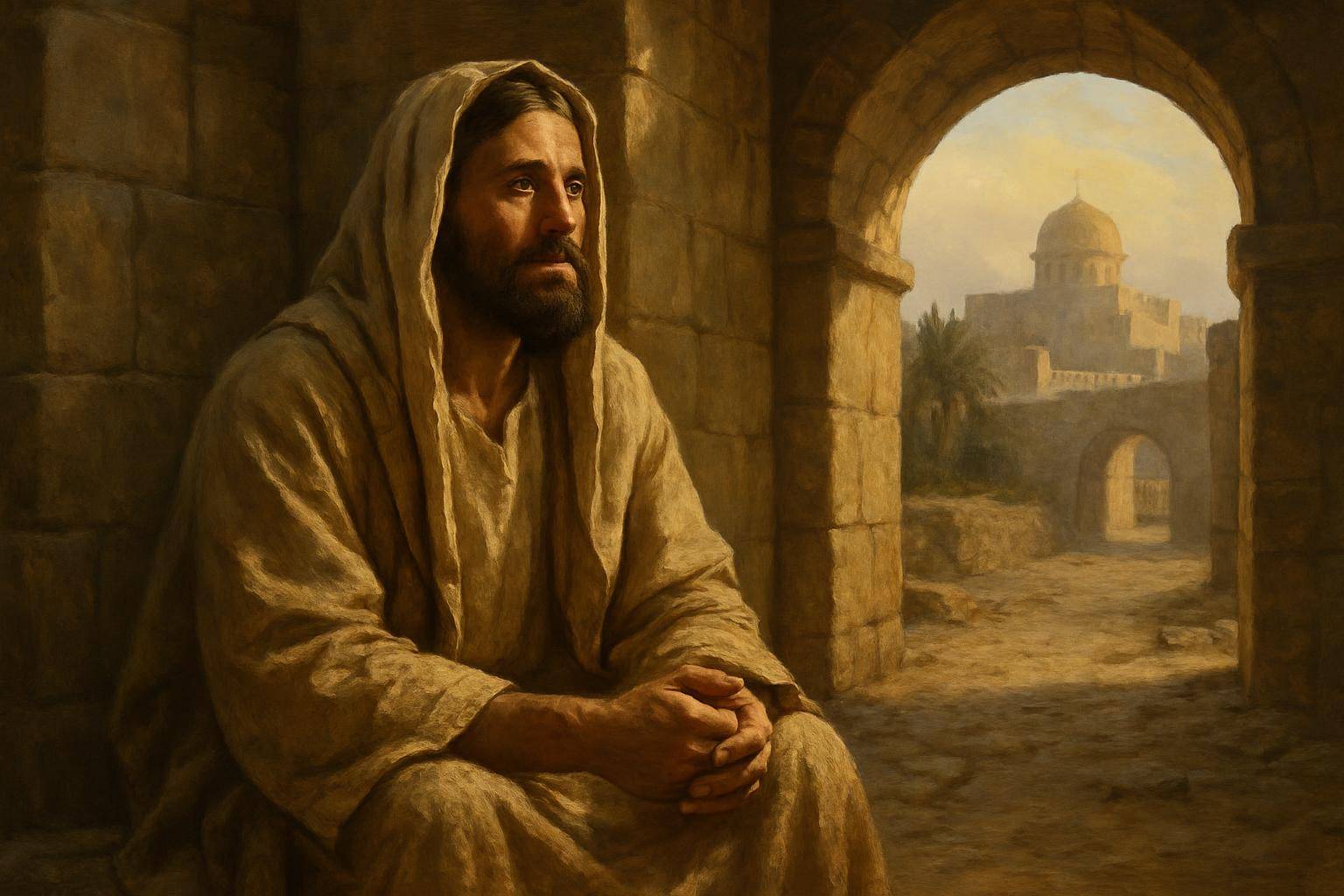
The concept of watchfulness permeates the sacred text, inviting the faithful to a state of vigilant anticipation. In Matthew 24:42, the Lord exhorts His followers to “watch,” emphasizing the importance of being prepared for His return, a reminder that the timing of His coming is known only to the Father.
-
Promises and Fulfillment: Covenant promises and the faithfulness of God
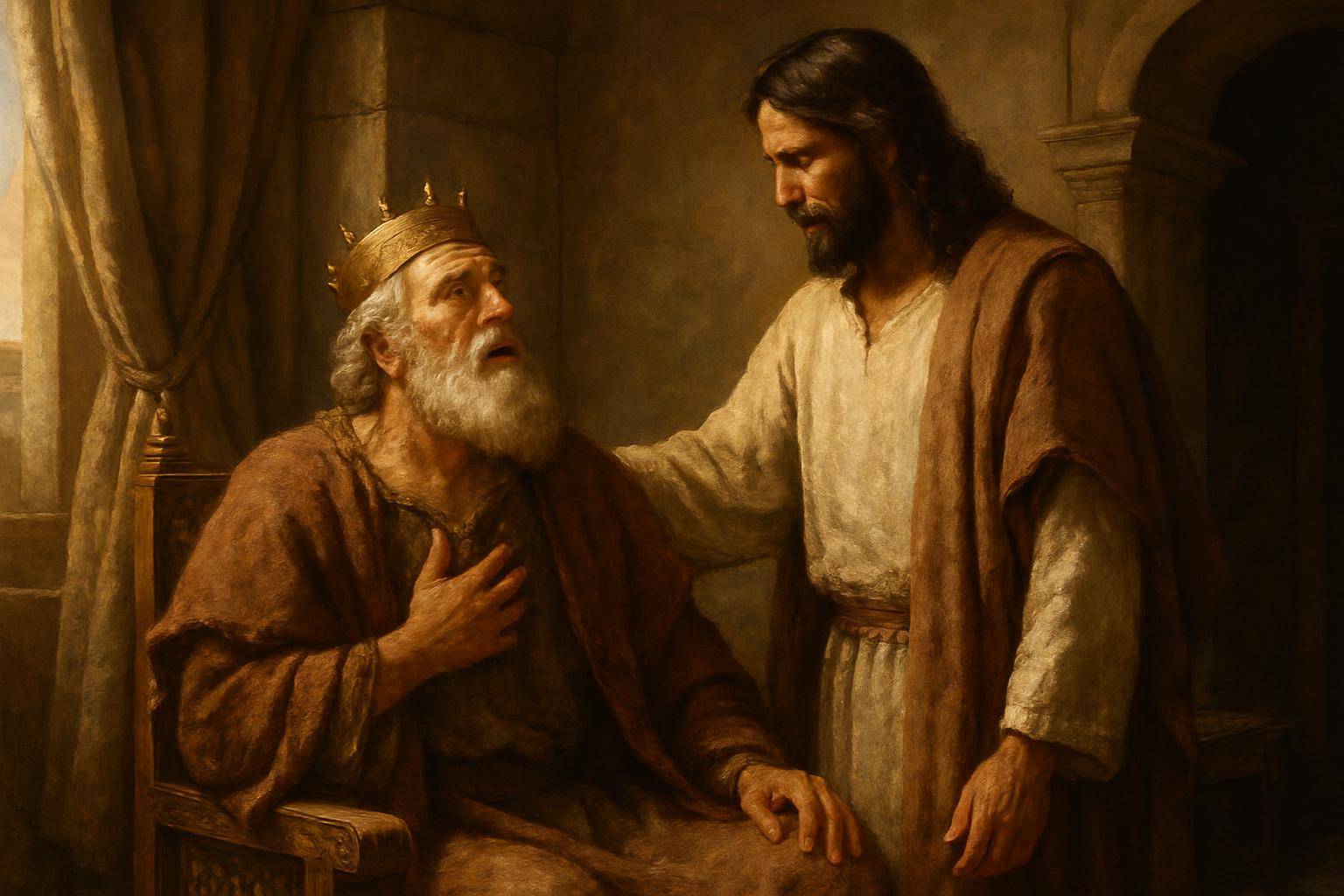
The concept of covenant in Scripture reveals the depth of God’s promises to humanity, as seen from the beginning in Genesis 9:13, where the rainbow serves as a divine sign of His unyielding faithfulness. This sacred agreement reflects not merely a transactional relationship but an intimate commitment, illustrating God’s desire to dwell among His people…
-
Holiness and grace in redemptive history

The covenant, a sacred agreement between God and His people, reveals the depth of divine commitment and mercy throughout Scripture. In Genesis 9:12, the Lord establishes His covenant with Noah, marked by the rainbow as a sign of His enduring promise never to destroy the earth by flood again.
-
Holiness and Grace: Holiness and grace in redemptive history

The interplay of holiness and grace is a profound theme woven throughout redemptive history, revealing the character of God and His dealings with mankind. In Exodus 34:6-7, the Lord proclaims Himself as merciful and gracious, yet also just, underscoring the necessity of holiness in His divine nature.
-
The Interplay of God, Creation, Christology, and Pneumatology in Theological Discourse
The interplay of God, creation, Christology, and pneumatology forms a fundamental axis within Christian theological discourse. This relationship is not merely academic; it shapes the believer’s understanding of divine revelation and the nature of existence itself. The doctrine of God, as articulated in Scripture, serves as the foundation for the other themes, revealing a cohesive…
-
The Doctrine of the Incarnation: God Manifest in the Flesh
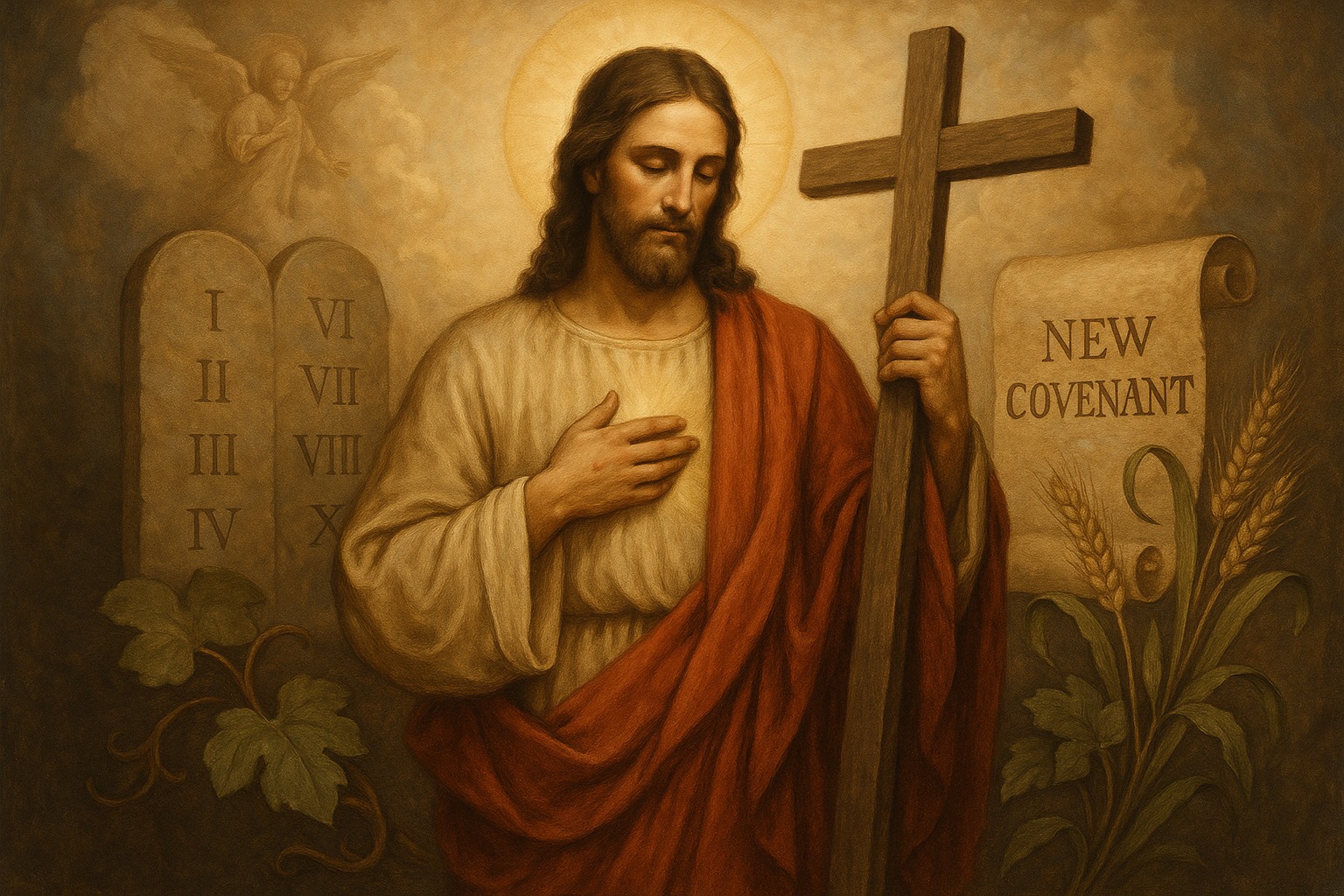
The doctrine of the Incarnation stands as one of the most profound and foundational truths of Christian theology. It declares that the eternal Son of God, the second Person of the Trinity, took upon Himself human nature and became flesh. This mystery, far beyond human comprehension, is the cornerstone of our redemption and the revelation…


