
PODCASTS
-
When Theology Becomes your Biography
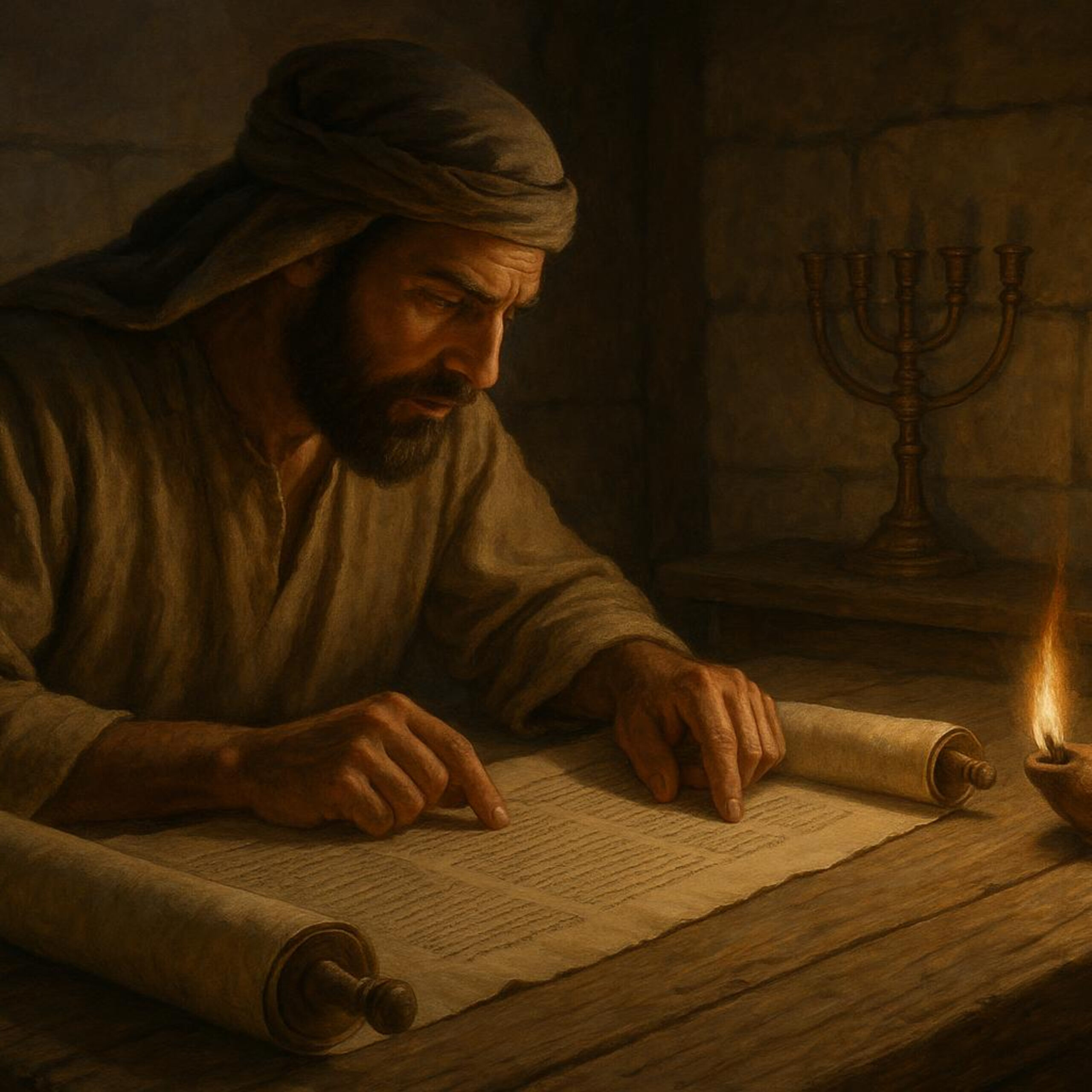
The claims of Scripture, as articulated in 2 Peter 1:19-21, demand our sober and reverent attention, for they are not the mere opinions of men but the very utterances of the Holy Ghost. Each word, inspired and infallible, beckons the believer to a deeper understanding of divine truth and holy living. In a world rife…
-
How Biblical Covenants Rewrite Your Identity
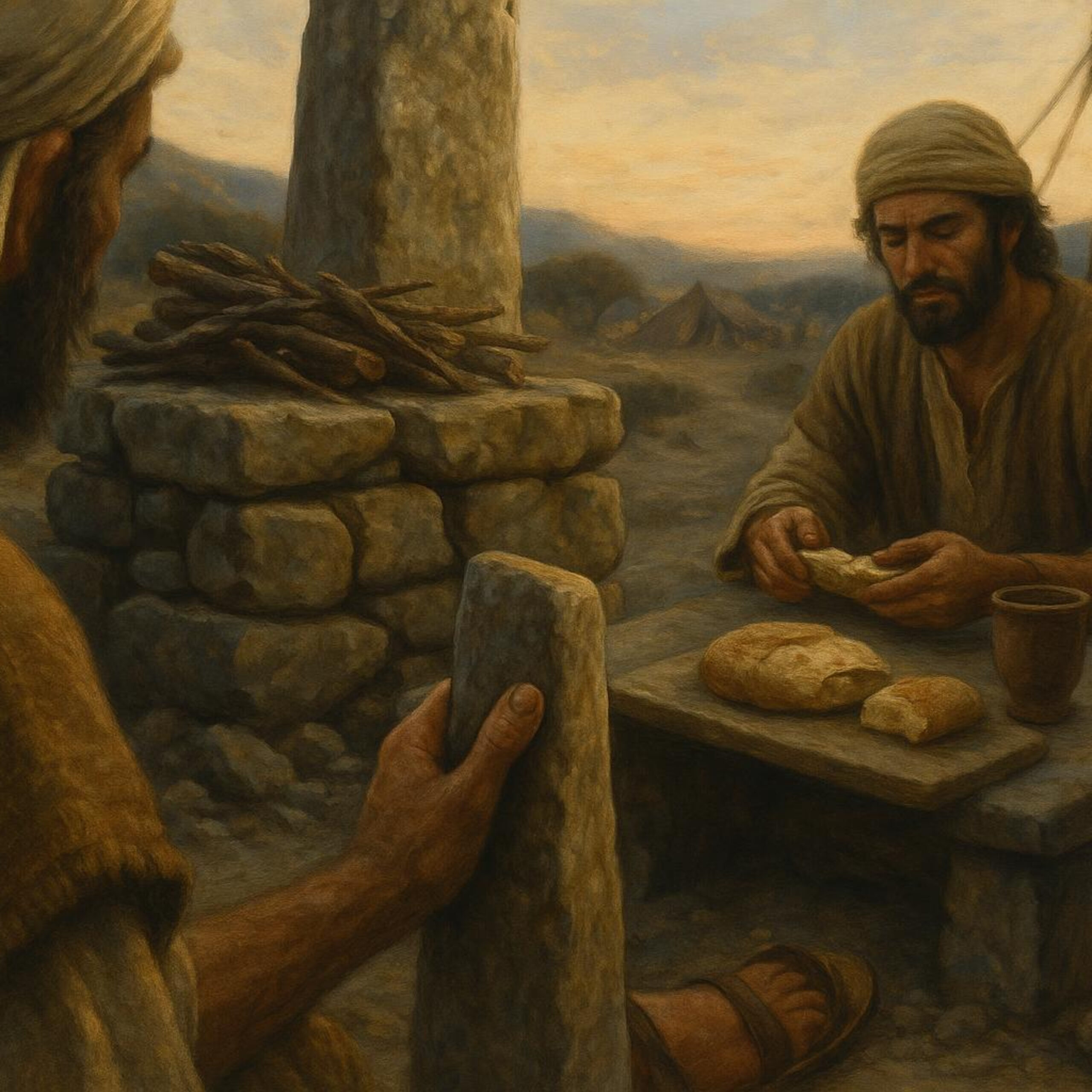
The Scriptures stand as a beacon of divine revelation, compelling believers to approach their claims with reverence and discernment. In 2 Peter 1:19-21, we are reminded that prophecy came not by the will of man, but through the inspiration of the Holy Ghost, underscoring the necessity of sober attention to the Word of God. Each…
-
The Prophetic Architecture of Christ
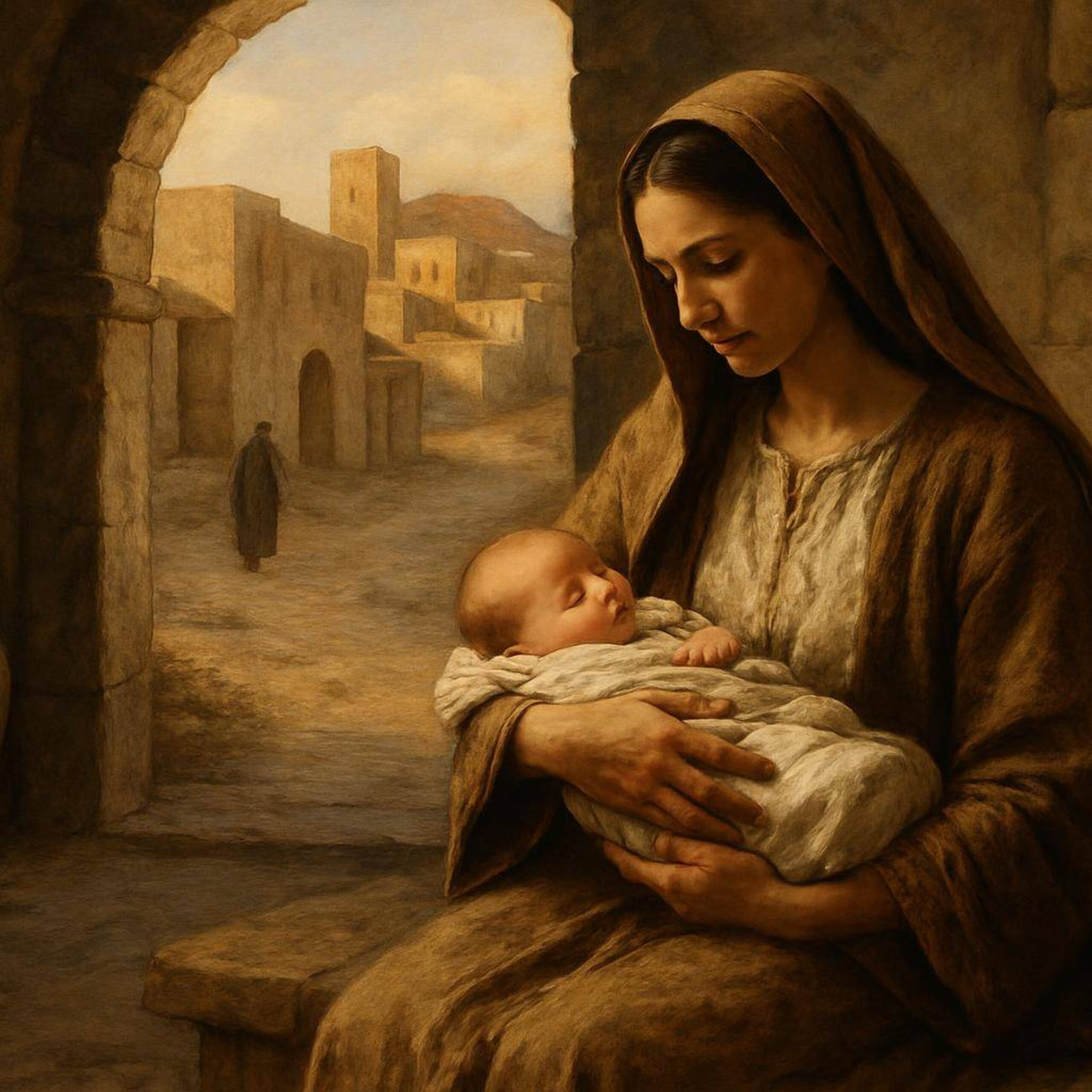
The sacred writings of Scripture beckon a reverent response, as they are not merely historical accounts but divine revelations that demand our full attention. In 2 Peter 1:19-21, the apostle emphasizes the prophetic word as a light that shines in darkness, guiding believers to discern truth amidst the shadows of the world. Each claim within…
-
The Book That Compels

The claims of Scripture demand our sober attention because they are not mere words of men but the very utterances of God, as attested by the prophetic witness. In 2 Peter 1:19- 21, we are reminded that holy men of God spoke as they were moved by the Holy Ghost, affirming the divine origin of…
-
Love Letters and Parachute Manuals

The Scriptures stand as a beacon of divine truth, demanding our utmost reverence and careful consideration, as articulated in 2 Peter 1:19-21. These sacred texts, inspired by the Holy Ghost, reveal not just historical narratives but the very heart of God’s redemptive plan through Christ. Each claim in the Word calls for sober attention, challenging…
-
The Architecture of Biblical Covenants
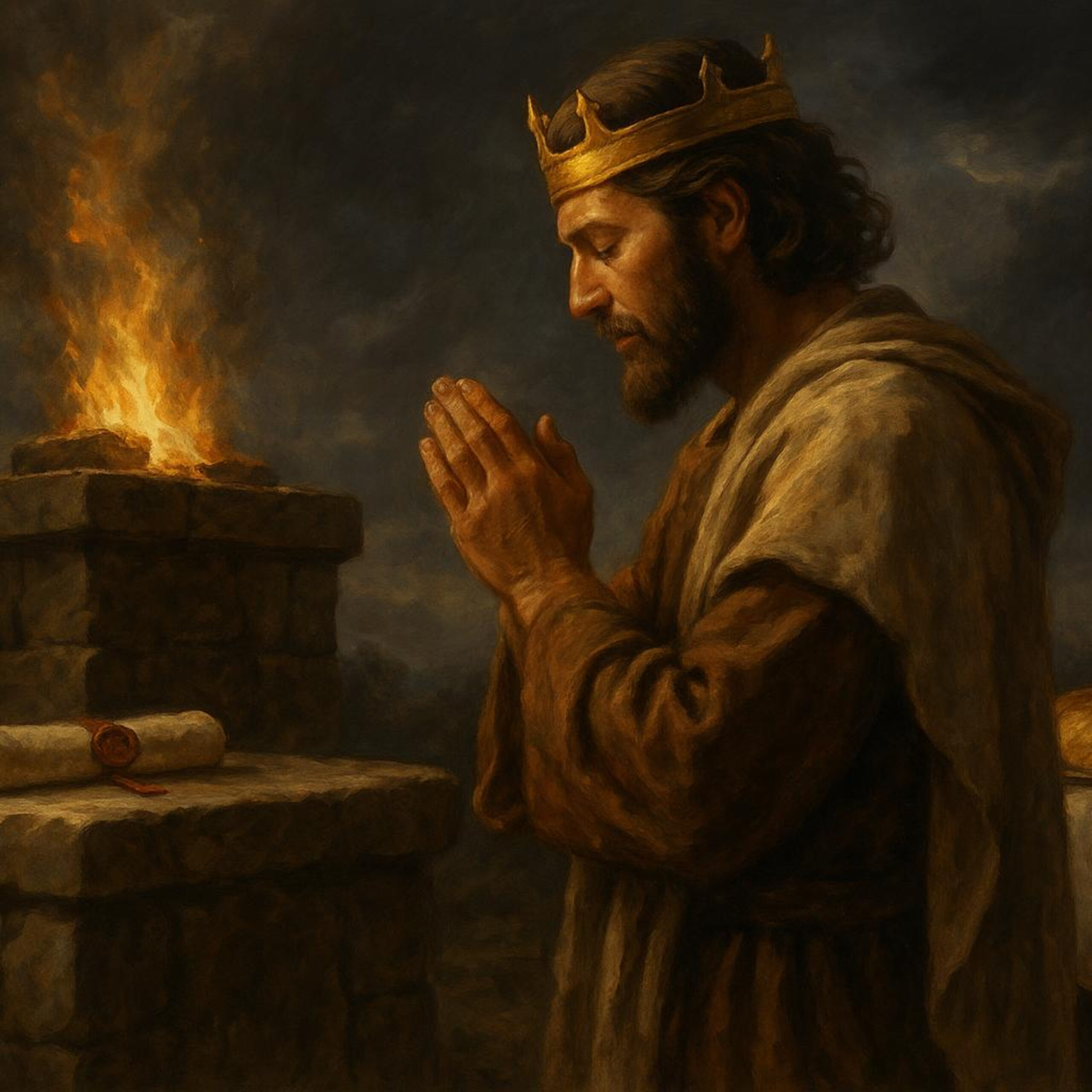
The sacred writ of Scripture stands as an unwavering beacon of truth, illuminating the path for believers through the ages. In 2 Peter 1:19-21, we are reminded of the divine origin of prophecy, which did not arise from human will but was inspired by the Holy Ghost. This calls for a weighty and earnest consideration…
-
Structured Joy in the Modern Crucible
The Holy Scriptures, as affirmed in 2 Peter 1:19-21, serve as a divine beacon, illuminating the path of truth amidst the shadows of human understanding. The prophetic nature of Scripture, grounded in the inspiration of the Holy Ghost, calls for our utmost reverence and diligent attention. Each verse resonates with the authority of the Almighty,…
-
Israel as a Blueprint for Divine Faithfulness
The sacred text of Scripture stands as a beacon of divine truth, calling believers to a reverent consideration of its profound claims. As affirmed in 2 Peter 1:19-21, the prophetic word, more steadfast than the brightest star, illuminates the path of righteousness and beckons the faithful to heed its guidance. This solemn call underscores the…
-
From Corrupted Code to Divine Adoption
The doctrine of sin stands as a pivotal truth within the Christian faith, illuminating the profound need for redemption through our Lord Jesus Christ. As articulated in Romans 5:12, sin entered the world through Adam, thus imparting spiritual death and severing the sacred communion between God and humanity. This original transgression not only marred creation…
-
Israel as a Living Blueprint

Scripture stands as the unwavering beacon of truth, demanding our utmost attention and reverence. The apostle Peter reminds us in 2 Peter 1:19-21 that the prophetic word is not for private interpretation but is divinely inspired and urges believers to heed its wisdom. The gravity of this message compels us to engage with the sacred…

