
PODCASTS
-
Methods for Dating the Earth and Biblical Faith – Science Meets Scripture
One of the key questions in studying the past is the age of the Earth and its inhabitants. Scientists use a variety of dating methods to estimate the ages of human, animal, and plant material. Some methods measure radioactive decay; others study growth patterns or historical records. These methods are often discussed in relation to…
-
Flood Geology and the Debate Over Noah’s Flood
The account of Noah’s Flood in Genesis 6–9 is one of the most dramatic narratives in the Bible. It describes a worldwide deluge that destroyed all life except those preserved in the ark. For centuries, Christians interpreted this as a literal global event. Modern geology, however, often views the flood as a myth or, at…
-
Human Uniqueness – Image of God and Evolution
One of the most significant debates in science and faith concerns the origins of humanity. Science often teaches that humans evolved from earlier primates, while Scripture declares that humankind was created in God’s image. Reconciling these views presents a challenge to both believers and skeptics. Are humans merely advanced animals, or do they possess unique…
-
The Signature of Design – DNA and Divine Information
One of the greatest scientific discoveries of the 20th century was that life is fundamentally based on information. In 1953, James Watson and Francis Crick revealed the double-helix structure of DNA, showing that the molecule carries coded instructions essential for building and sustaining life. This discovery transformed biology from the study of organisms to the…
-
The Boundaries of Science and the Supernatural
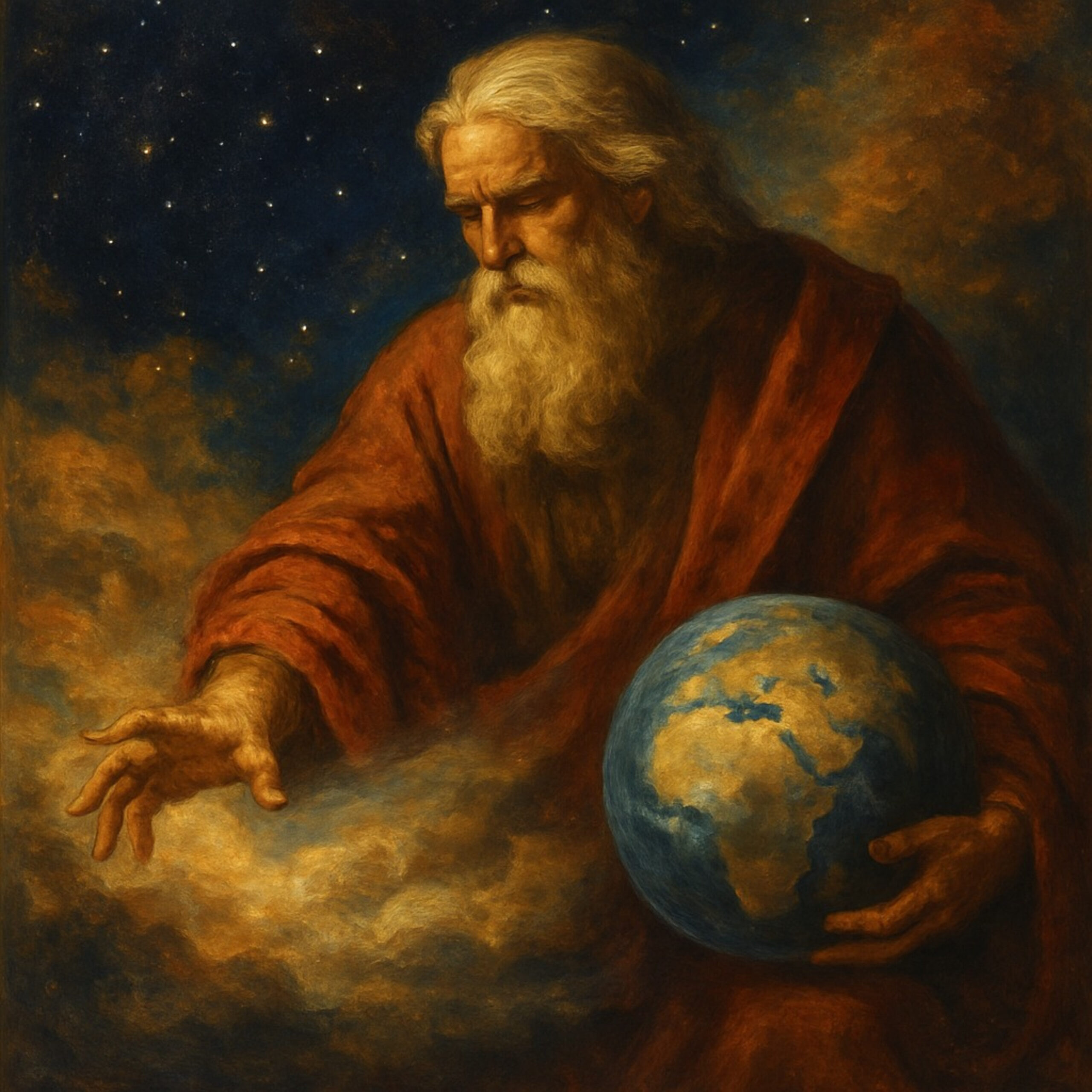
Science has given humanity extraordinary tools for understanding the natural world. Through observation, experimentation, and theory, it has explained countless phenomena once considered mysteries. Yet despite these triumphs, science has boundaries. It cannot address ultimate questions of meaning, morality, or destiny. Nor can it fully explain the origin of the universe, life, or consciousness. The…
-
The Cambrian Explosion – Evidence for Divine Design
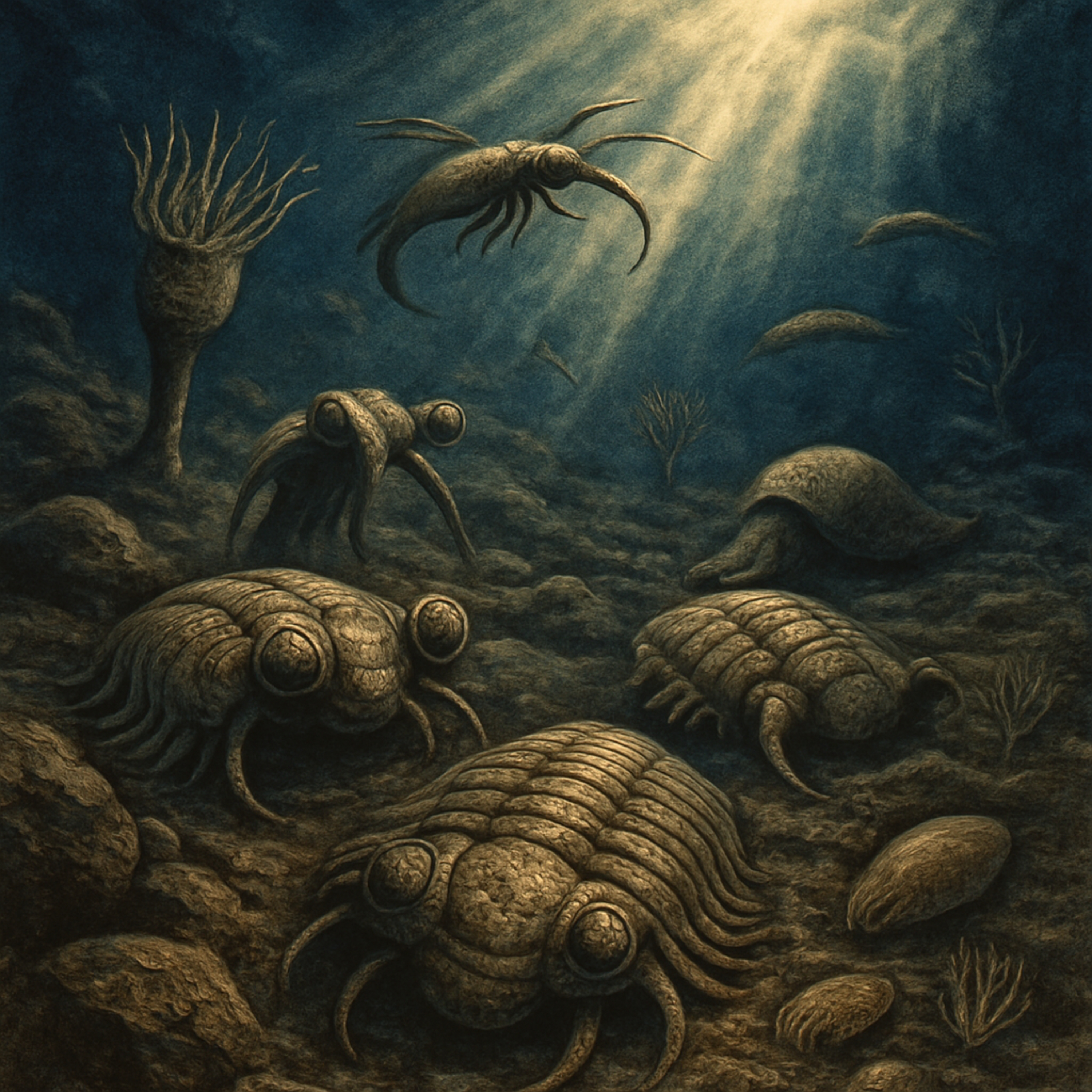
The fossil record reveals a startling event known as the Cambrian explosion. Roughly 540 million years ago (according to conventional dating), nearly all the major animal body plans—arthropods, chordates, mollusks, echinoderms, and more—appeared suddenly within a relatively short geological window. This event poses a profound challenge to Darwin’s theory of gradual evolution, which predicts slow,…
-
The Great Exodus – Journey from Bondage to Freedom
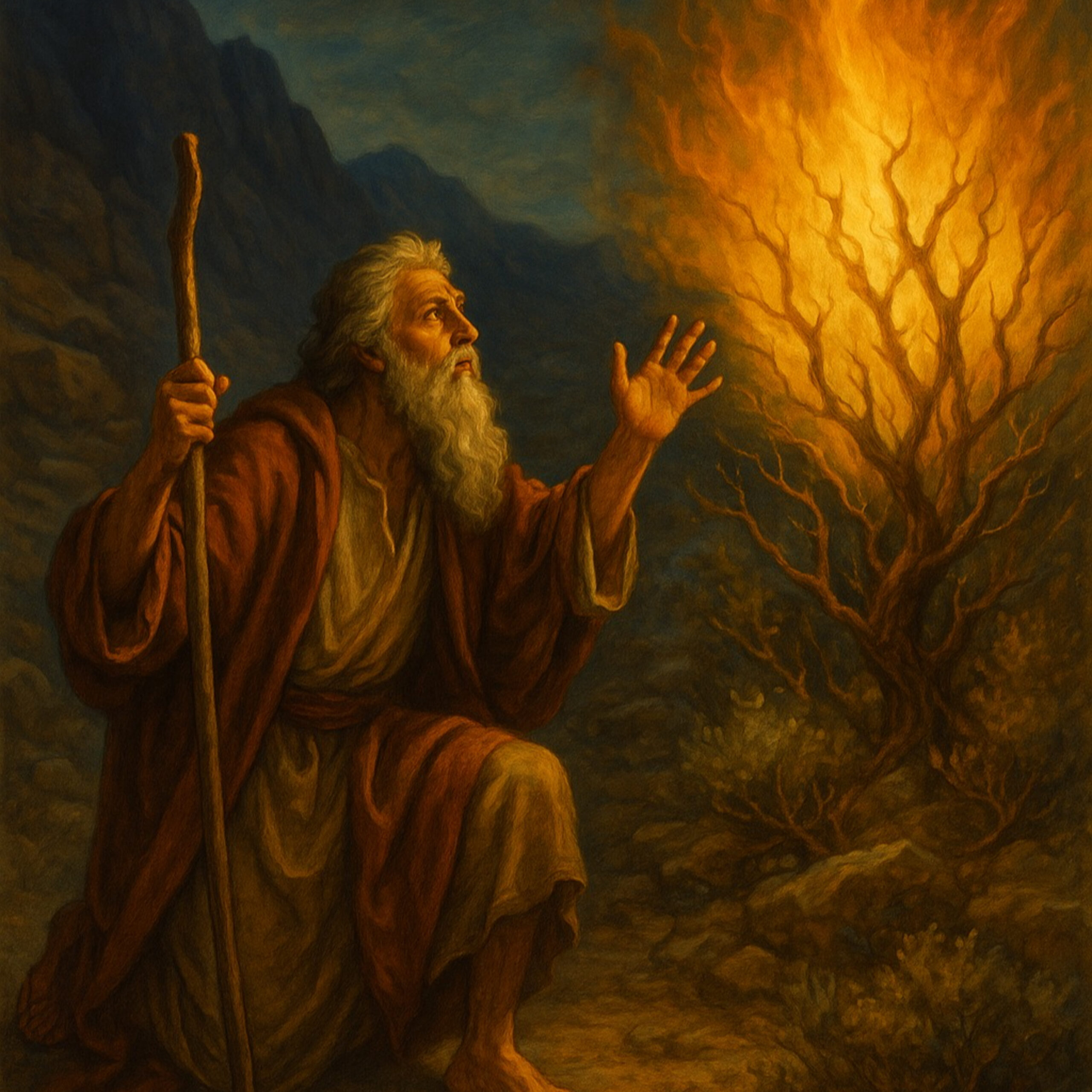
The Exodus is one of the most defining events in biblical history. It marks God’s deliverance of His people from slavery in Egypt and His covenantal formation of Israel as a nation. The narrative stretches from the closing chapters of Genesis through Exodus, and its theological impact reverberates throughout the Old and New Testaments. The…
-
Revelation’s Final Visions and Old Testament Echoes
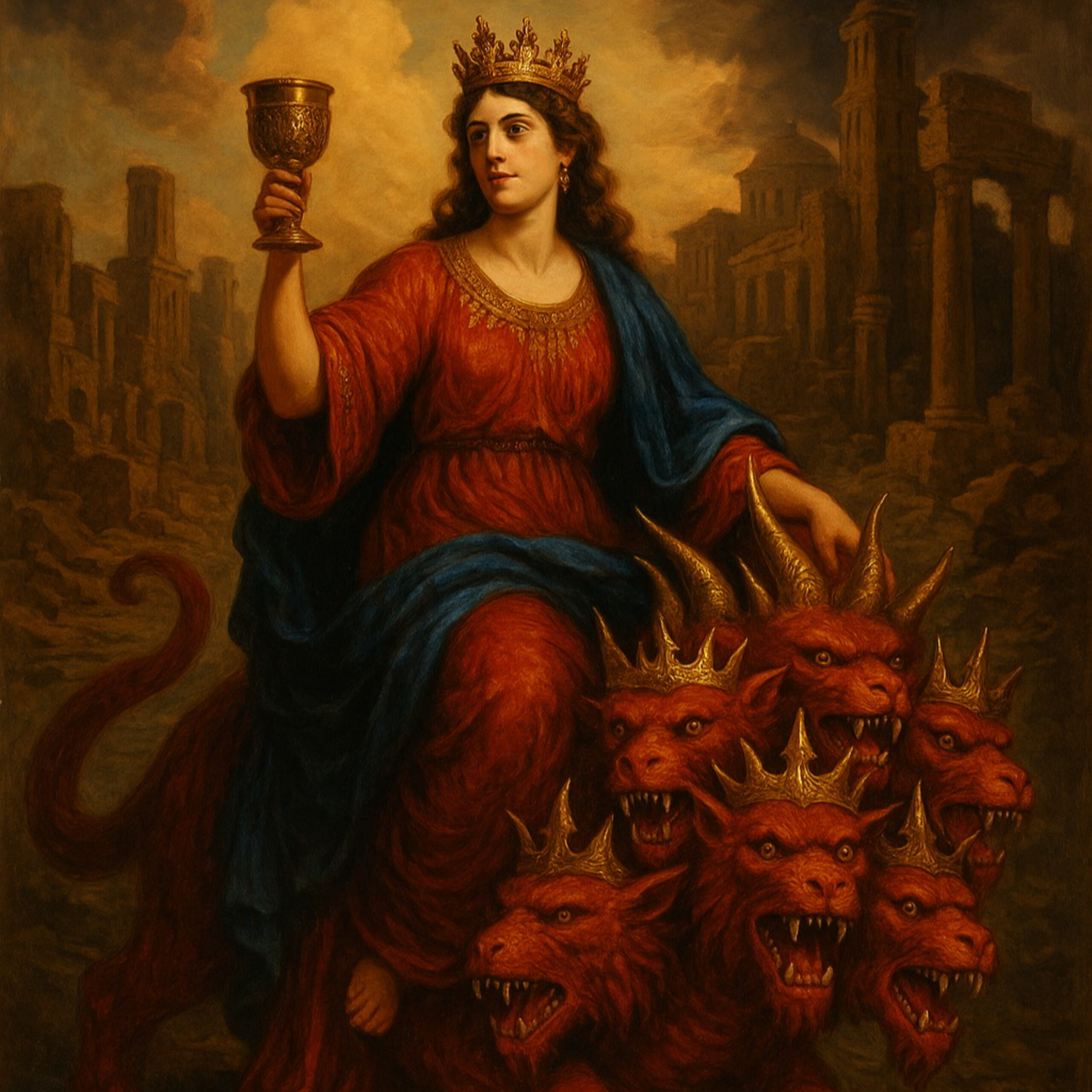
The Book of Revelation, the final book of the Bible, is rich in imagery and language drawn from the Old Testament. From Genesis to Malachi, echoes of earlier prophecies resound in John’s visions. Far from being a new or disconnected revelation, the Apocalypse weaves together centuries of prophecy into one climactic conclusion. Revelation shows the…
-
The Day of Lord in the Minor Prophets
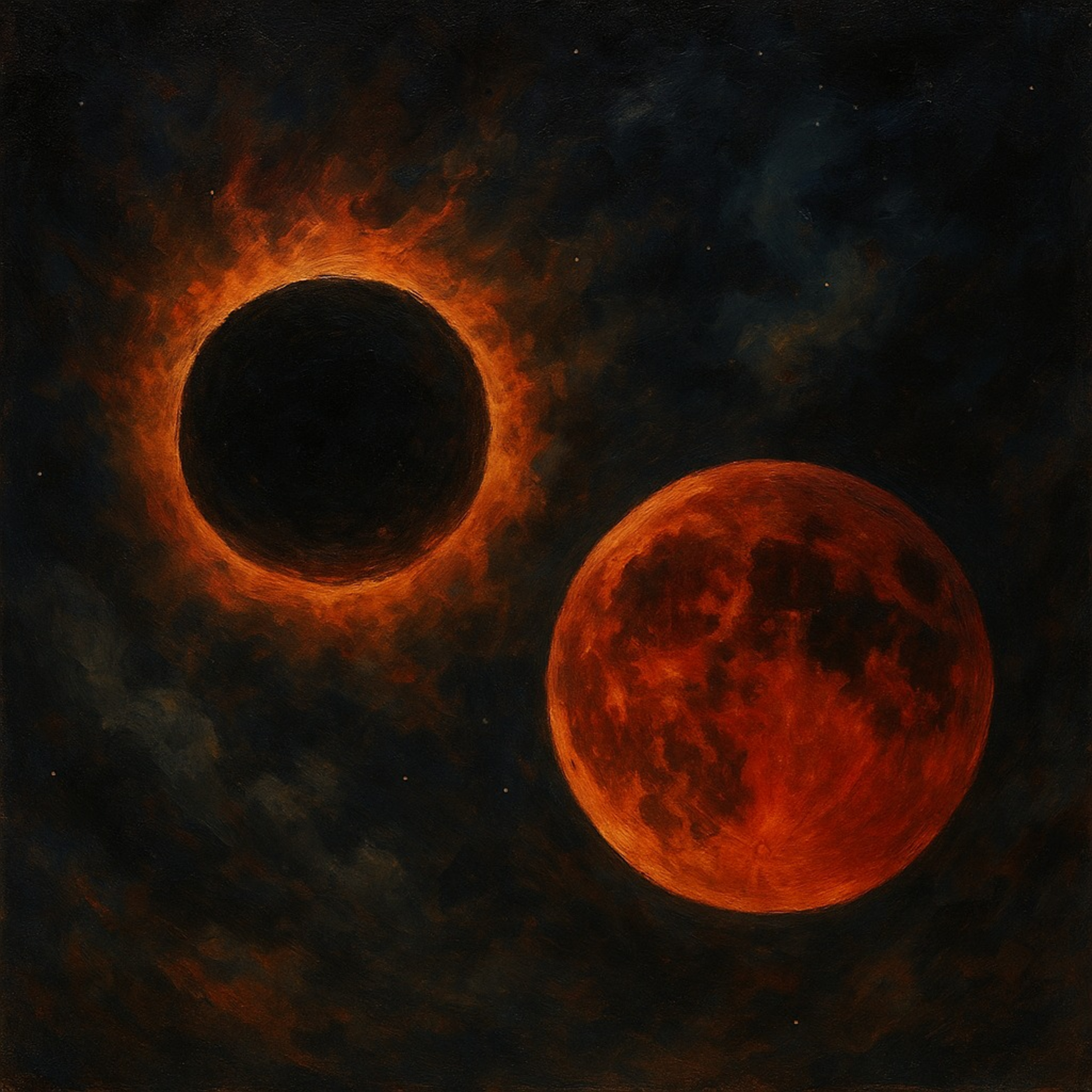
The phrase “the Day of the LORD” is one of the most sobering and recurring themes in the prophetic writings. While it appears throughout the Old Testament, it is especially emphasized in the Minor Prophets, from Hosea to Malachi. These short yet powerful books frequently announce a day of divine intervention, marked by both judgment…
-
Daniel’s Seventy Weeks and Messianic Fulfillment
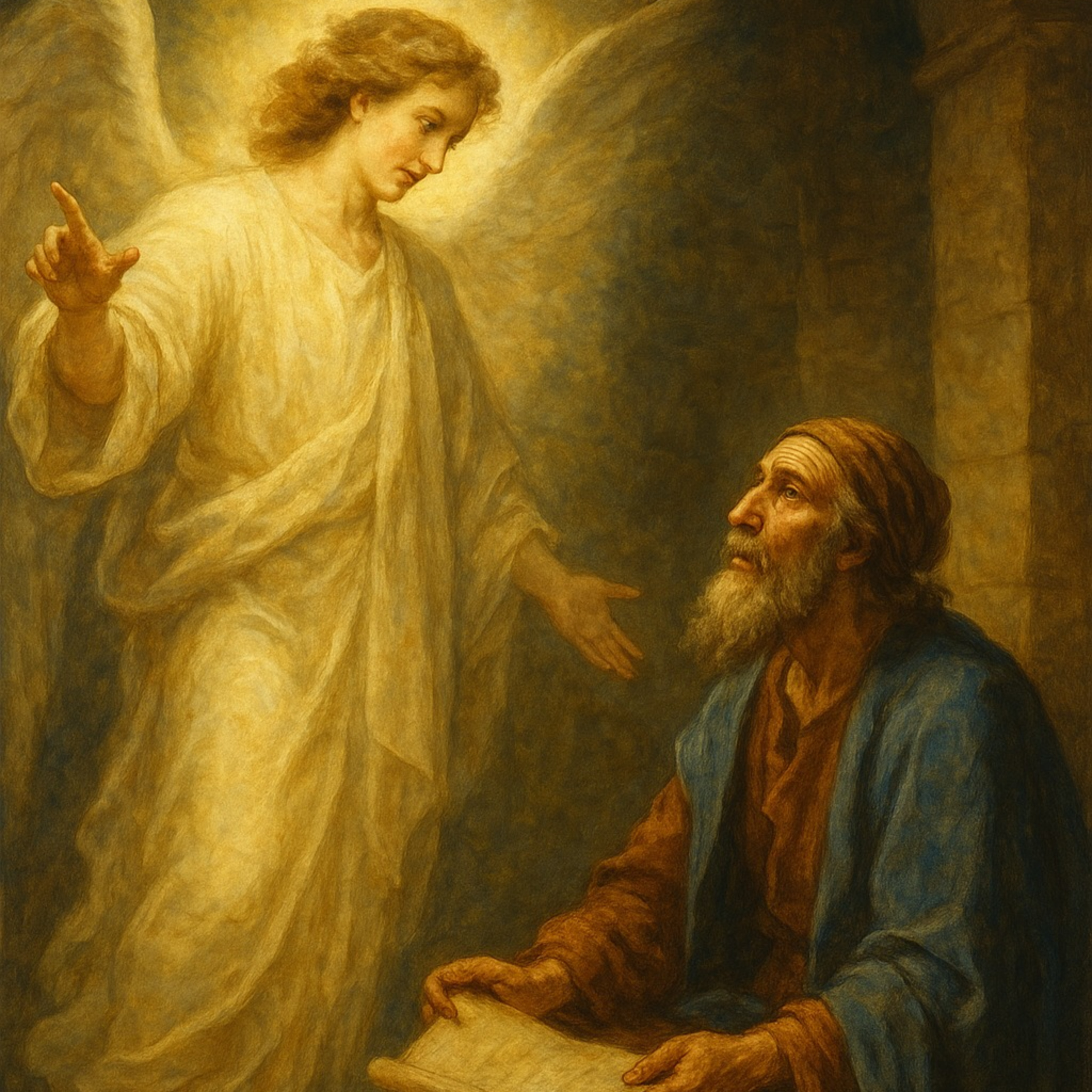
Among the most remarkable prophecies in Scripture is the vision of the Seventy Weeks in Daniel 9:24–27. Delivered to Daniel by the angel Gabriel, this prophecy outlines a precise timetable for God’s redemptive plan, culminating in the coming of the Messiah and the ultimate triumph of God’s kingdom. Scholars and believers alike regard it as…


