

Introduction
The prophetic Scriptures stand as a cornerstone of the Christian faith, revealing God’s sovereign plan through history and into eternity. From the oracles of the Old Testament prophets to the apocalyptic visions of the New Testament, prophecy unveils both immediate and ultimate fulfillments that testify to the trustworthiness of God’s Word. The Bible’s prophetic promises are not merely cryptic predictions but divinely inspired revelations that invite believers to discern God’s hand in the unfolding of history.
This article explores the nature of biblical prophecy, focusing on its dual fulfillment, both near and far, and its typological significance, pointing forward to Christ and the consummation of all things. We will examine key prophetic passages, their historical contexts, and their eschatological horizons, always holding fast to a high view of Scripture as the infallible Word of God (2 Timothy 3:16).
Understanding prophecy requires careful exegesis and theological reflection, avoiding sensationalism while embracing the hope and warning it offers. As we delve into these sacred texts, may our hearts be stirred to faithfulness, watchfulness, and worship of the One who alone controls the future.
The Nature and Purpose of Biblical Prophecy
Biblical prophecy is fundamentally a message from God delivered through chosen messengers, the prophets. It serves multiple purposes: to call God’s people to repentance, to reveal God’s righteous judgment, to comfort the afflicted with promises of restoration, and to unveil future events in accordance with God’s sovereign will (Amos 3:7). Prophecy is not mere fortune-telling but a divine communication grounded in covenantal faithfulness.
The prophets often spoke both to their immediate audiences and to future generations, intertwining near-term warnings with long-term promises. For example, Isaiah’s prophecies address the Assyrian threat in his day while simultaneously pointing to the coming Messiah and the ultimate establishment of God’s kingdom (Isaiah 7:14; 9:6–7). This layered communication demands discernment and humility in interpretation.
Moreover, prophecy serves to confirm the divine origin of Scripture. The precise fulfillment of prophecies, such as the destruction of Jerusalem or the birth of Christ in Bethlehem, attests to the omniscience and faithfulness of God (Deuteronomy 18:21–22). This encourages believers to trust the promises yet to be fulfilled, including the return of Christ and the final judgment.

Immediate Fulfillments and Historical Context
Many biblical prophecies found their initial fulfillment within the historical context of the prophet’s lifetime or shortly thereafter. These immediate fulfillments often involved judgments upon Israel or surrounding nations, serving as warnings and calls to repentance. For instance, the prophecy against Nineveh in Jonah 3 was fulfilled when the city repented and was spared temporarily (Jonah 3:4–10).
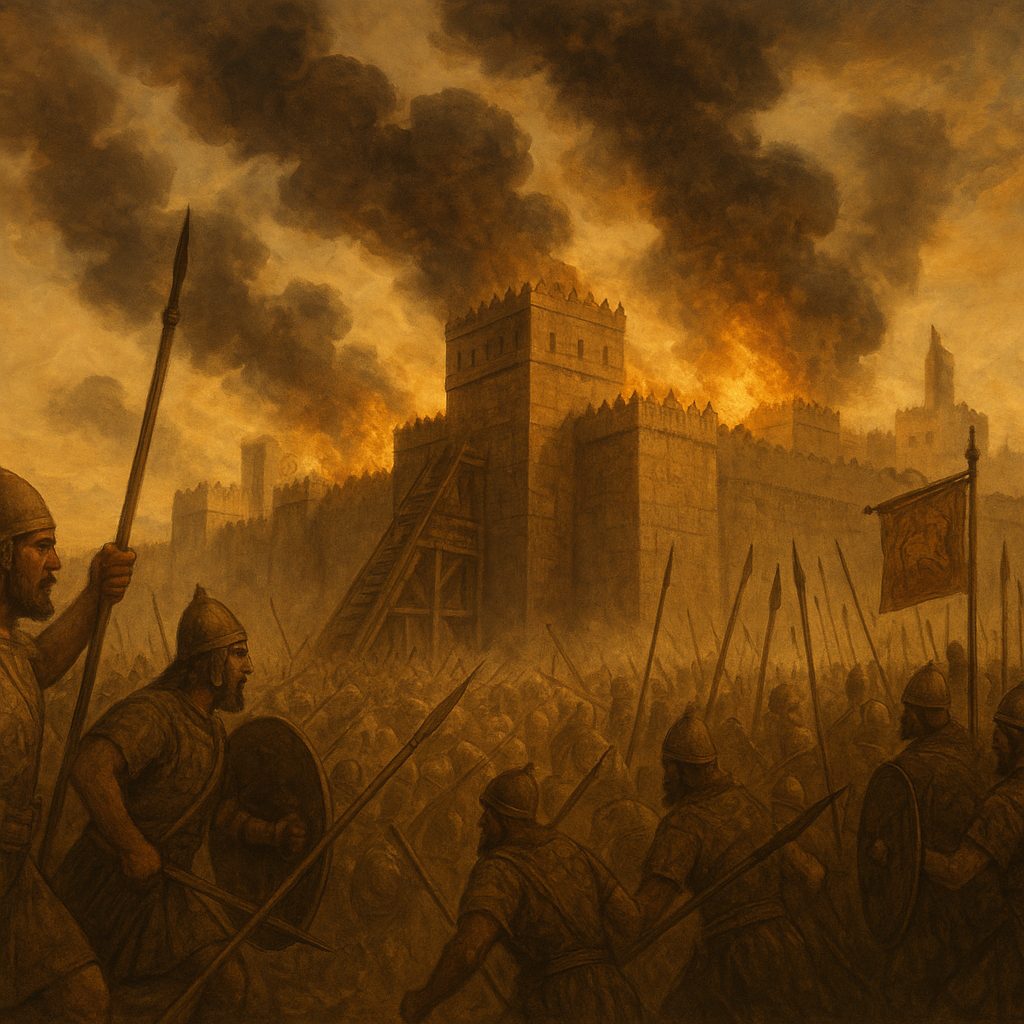
Similarly, the destruction of Jerusalem by the Babylonians in 586 B.C. was foretold by Jeremiah and Ezekiel as a consequence of Israel’s persistent rebellion (Jeremiah 25:9; Ezekiel 21:25–27). These fulfillments demonstrate that prophecy is rooted in real historical events and divine justice, not abstract speculation.
Recognizing the immediate fulfillments helps prevent misapplication or over-spiritualization of prophecy. It grounds our understanding in God’s faithfulness to His covenant people and His righteous governance over nations. Yet, these fulfillments also serve as types and shadows of greater realities to come.
Typology in Prophecy: Shadows of Christ
Typology is a vital hermeneutical principle in understanding prophecy. Many Old Testament prophecies and events serve as types, divine foreshadowings, of Christ and His redemptive work. The suffering servant of Isaiah 53, for example, prefigures the Messiah’s atoning sacrifice centuries before the incarnation.
The Davidic covenant, promised to King David, is another rich typological prophecy. While David’s earthly kingdom was significant, the ultimate fulfillment is found in Christ, the eternal King whose throne shall never be removed (2 Samuel 7:12–16; Luke 1:32–33). This typology assures believers that God’s promises transcend their immediate historical setting and find their consummation in Jesus.
Typology also extends to eschatological themes. The new heavens and new earth described by Isaiah and John in Revelation are the ultimate fulfillment of God’s promise to restore all things (Isaiah 65:17; Revelation 21:1). Thus, prophecy invites believers to see history through the lens of Christ’s redemptive mission and the hope of eternal glory.

Eschatological Prophecy: The Coming Kingdom
Eschatology, the study of last things, is deeply intertwined with biblical prophecy. The Scriptures reveal that history is moving toward a climactic fulfillment in the return of Christ, the resurrection of the dead, the final judgment, and the establishment of the eternal kingdom (Daniel 7:13–14; Revelation 19:11–16).
The prophetic books, especially Daniel and Revelation, provide vivid imagery and symbolic language describing these future events. While some details remain mysterious, the essential truths are evident: Christ will come visibly and gloriously, evil will be judged, and God’s people will be vindicated and glorified (Matthew 24:30–31; 1 Thessalonians 4:16–17).
This hope for the future calls believers to holiness, perseverance, and evangelistic zeal. The prophetic warnings against apostasy and deception remind us to remain vigilant and grounded in the Word (2 Peter 3:10–14). The certainty of Christ’s return assures us that God’s promises will be fulfilled without fail.

The Role of Covenant in Prophetic Promises
The biblical covenants form the theological framework for understanding prophecy. God’s promises to Abraham, Moses, David, and the new covenant through Christ shape the prophetic narrative and its fulfillment. Prophecy is often covenantal in nature, calling God’s people back to faithfulness or promising restoration based on God’s unchanging character (Genesis 12:1–3; Jeremiah 31:31–34).
For example, the new covenant prophecy in Jeremiah 31:31–34 anticipates the internal transformation of God’s people through the Spirit, fulfilled in Christ’s redemptive work and the outpouring of the Holy Ghost at Pentecost (Hebrews 8:6–13). This covenantal perspective ensures that prophecy is not detached from God’s relational dealings with His people but is intimately connected to His promises and purposes.
Understanding prophecy through the lens of covenant encourages believers to trust God’s faithfulness even when circumstances seem bleak. The prophetic assurances of restoration and blessing are grounded in God’s steadfast love and covenant loyalty (Psalm 89:34–37).
Conclusion
Biblical prophecy is a profound testimony to God’s sovereignty, justice, mercy, and redemptive plan. It calls believers to faithfulness in the present while pointing forward to the glorious fulfillment of God’s promises in Christ. By studying prophecy with reverence and diligence, we gain a richer understanding of God’s unfolding purpose and a firmer hope in the coming kingdom.
The dual nature of prophecy—immediate and eschatological—reminds us that God is actively involved in history and will bring all things to their divinely appointed consummation. The typological connections to Christ deepen our appreciation for the unity of Scripture and the centrality of the gospel.
May this study inspire us to live with watchful hearts, grounded in the Word, and eager for the return of our Lord and Savior, Jesus Christ, who is the fulfillment of all prophecy and the hope of glory (Colossians 1:27).
Podcast Discussion For Further Study